2026 US Vocational Training: Bridging Skills Gaps for Future Careers
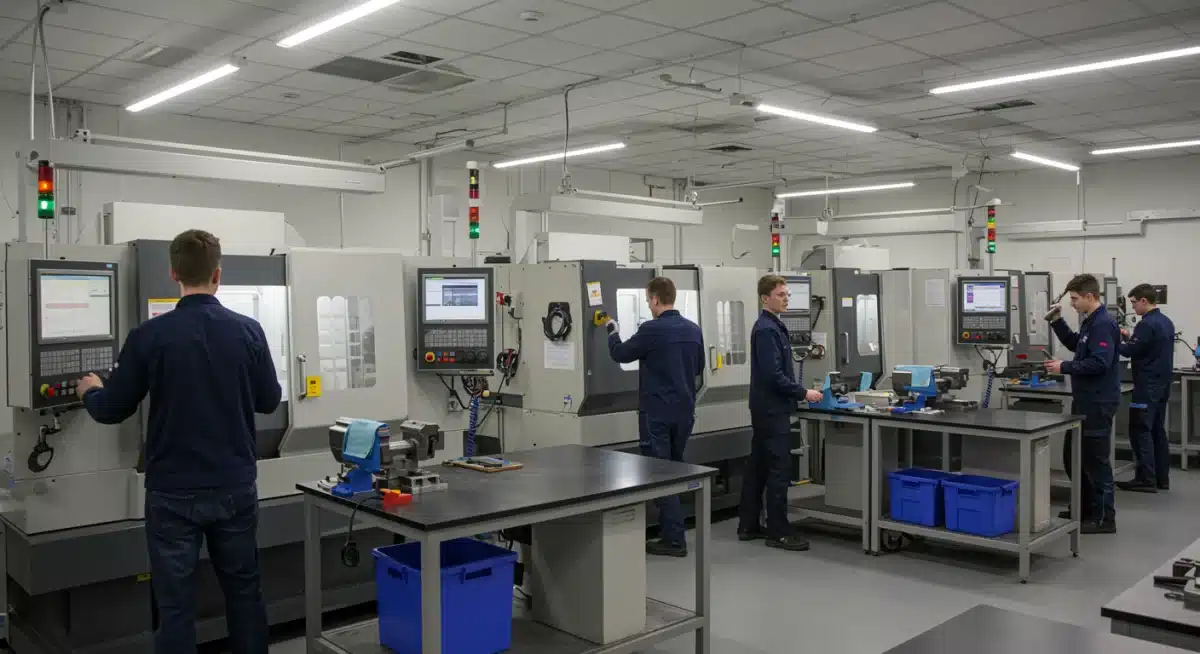
The Future of Work: Navigating US Vocational Training in 2026
The landscape of work is undergoing a seismic shift, driven by rapid technological advancements, evolving economic demands, and changing societal expectations. As we look towards 2026, the role of US Vocational Training 2026 becomes more critical than ever in preparing a skilled and adaptable workforce. No longer confined to traditional trades, vocational education is experiencing a renaissance, positioning itself as a dynamic and essential pathway to rewarding careers. This comprehensive guide will explore the key trends, challenges, and opportunities shaping vocational training in the United States, offering insights for students, educators, policymakers, and employers alike.
In an era where a four-year college degree is not the only, or even always the best, path to professional success, vocational training offers a direct and efficient route to in-demand jobs. From advanced manufacturing and healthcare to information technology and renewable energy, vocational programs are designed to equip individuals with the practical skills and technical expertise required by today’s and tomorrow’s industries. Understanding the trajectory of US Vocational Training 2026 is crucial for anyone seeking to thrive in the evolving job market.
The Evolving Definition of Vocational Training: Beyond the Basics
Historically, vocational training conjured images of auto mechanics, plumbers, and electricians. While these vital trades remain pillars of the vocational landscape, the scope has expanded dramatically. Today, US Vocational Training 2026 encompasses a vast array of fields, including:
- Advanced Manufacturing: Robotics, automation, mechatronics, additive manufacturing (3D printing).
- Information Technology: Cybersecurity, data analytics, cloud computing, software development, AI support roles.
- Healthcare: Medical assistants, dental hygienists, surgical technologists, coding specialists, nursing support.
- Renewable Energy: Solar panel installation, wind turbine technicians, energy efficiency specialists.
- Logistics and Supply Chain Management: Drone operation, automated warehouse systems, global logistics coordination.
- Digital Media and Marketing: UX/UI design, digital content creation, social media management, e-commerce.
- Biotechnology and Life Sciences: Lab technicians, research assistants, quality control specialists.
This diversification reflects the economy’s complex needs and the growing demand for specialized skills that are often overlooked by traditional academic routes. Vocational programs are agile, adapting quickly to industry demands, ensuring that graduates are job-ready upon completion.
Key Trends Shaping US Vocational Training 2026
Several powerful trends are influencing the direction and delivery of vocational education across the United States. Recognizing these shifts is essential for anyone involved in or considering vocational pathways.
1. Integration of Technology and Digital Skills
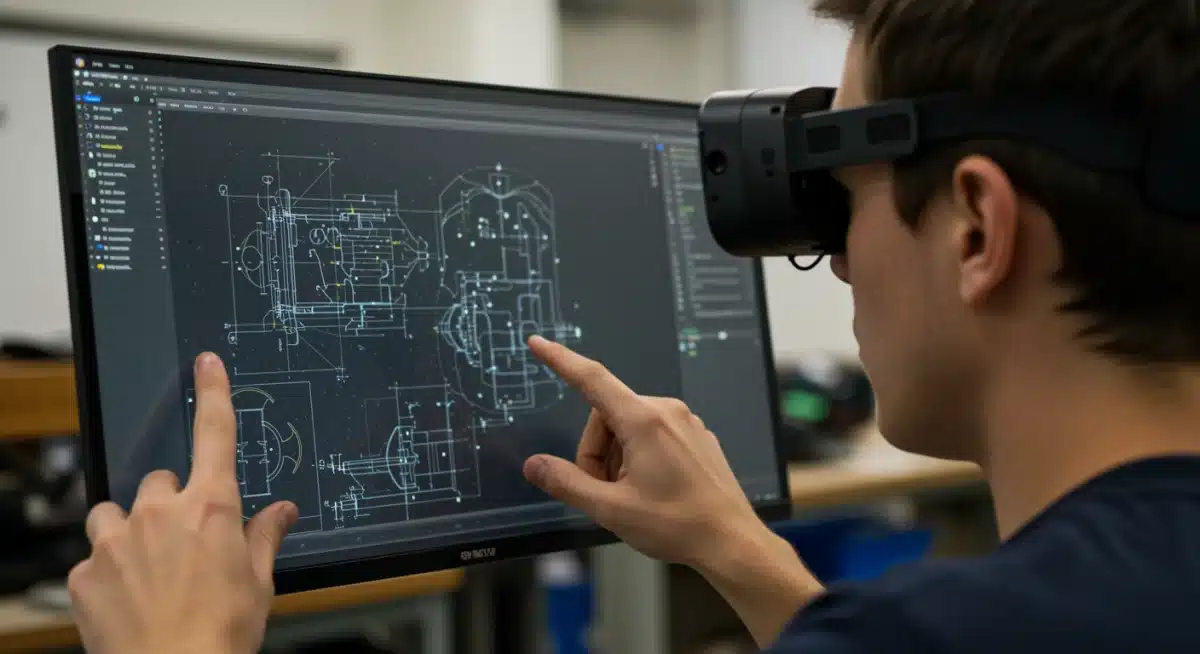
Technology is no longer a separate subject; it’s an integral component of almost every vocation. In 2026, vocational training programs are heavily integrating digital literacy, data analysis, automation, and AI tools. Students are not just learning how to operate machinery but how to program, troubleshoot, and optimize smart systems. This extends to virtual and augmented reality (VR/AR) for immersive training experiences, allowing students to practice complex procedures in a safe, simulated environment.
For instance, an aspiring HVAC technician might use VR to diagnose and repair virtual systems before working on a live unit, or a construction student might use AR to visualize blueprints overlaid onto a physical site. This technological infusion makes US Vocational Training 2026 more engaging, effective, and aligned with industry practices.
2. "Stackable" Credentials and Micro-Certifications
The traditional model of a single, long-term degree is being augmented by "stackable" credentials. These are smaller, industry-recognized certifications that can be earned in a shorter timeframe and then combined to build towards a larger degree or advanced qualification. This modular approach offers several benefits:
- Flexibility: Students can gain skills and enter the workforce quickly, then return for additional credentials as their career progresses or industry needs change.
- Affordability: Smaller certifications often have lower upfront costs, making education more accessible.
- Relevance: Programs can be updated rapidly to reflect current industry demands, ensuring the skills taught are always relevant.
- Career Advancement: Workers can continuously upskill or reskill without committing to a multi-year program.
This trend is particularly powerful for adult learners and those seeking mid-career transitions, making US Vocational Training 2026 a continuous learning journey rather than a one-time event.
3. Stronger Industry Partnerships and Apprenticeships
Collaboration between educational institutions and industries is becoming more formalized and robust. Companies are actively partnering with vocational schools and community colleges to develop curricula, provide equipment, offer internships, and sponsor apprenticeships. Apprenticeships, in particular, are experiencing a resurgence, offering paid on-the-job training combined with related classroom instruction.
These partnerships ensure that vocational programs are directly addressing the skills gaps identified by employers, leading to higher employment rates for graduates. They also provide students with real-world experience and networking opportunities, making the transition from classroom to career seamless. This symbiotic relationship is a cornerstone of effective US Vocational Training 2026.
4. Focus on Soft Skills and Employability
While technical skills are paramount, employers consistently emphasize the importance of soft skills. Communication, critical thinking, problem-solving, teamwork, adaptability, and digital etiquette are increasingly integrated into vocational curricula. Programs are designed not just to teach technical proficiency but also to foster the interpersonal and professional skills necessary for workplace success.
This holistic approach ensures that graduates of US Vocational Training 2026 are not only technically competent but also well-rounded professionals capable of navigating complex work environments and collaborating effectively with colleagues.
Addressing the Skills Gap: Why Vocational Training Matters More Than Ever
The "skills gap" refers to the mismatch between the skills employers need and the skills available in the workforce. This gap is a significant challenge for the US economy, hindering growth and innovation. US Vocational Training 2026 is uniquely positioned to bridge this divide.
Many traditional four-year degrees, while valuable, may not always align directly with immediate workforce needs. Vocational programs, by contrast, are often developed in direct response to industry demand, ensuring that graduates possess the specific competencies required for current job openings. This direct alignment makes vocational training a powerful tool for economic development and individual career success.
For example, as the nation invests in infrastructure, there’s a surge in demand for skilled tradespeople in construction, electrical work, and specialized machinery operation. Similarly, the rapid expansion of renewable energy requires a new generation of technicians trained in solar, wind, and battery technologies. Vocational schools are at the forefront of preparing this essential workforce.
Challenges and Opportunities for US Vocational Training in 2026
Despite its growing importance, vocational training faces several challenges that need to be addressed to maximize its potential.
Challenges:
- Perception and Stigma: A persistent misconception that vocational paths are "lesser" than a four-year degree can deter potential students.
- Funding and Resources: Adequate funding is crucial for modernizing equipment, attracting qualified instructors, and keeping pace with technological advancements.
- Instructor Shortages: Finding experienced professionals to teach specialized vocational skills can be challenging, especially in high-demand fields.
- Rapid Technological Change: Keeping curricula and equipment current with fast-evolving industry standards requires constant investment and adaptation.
Opportunities:
- Increased Public Awareness: Growing recognition of the value of skilled trades and technical careers is improving perception.
- Government Investment: Federal and state initiatives are increasingly supporting workforce development and vocational education.
- Industry Demand: The acute need for skilled workers provides strong incentives for individuals to pursue vocational paths.
- Diversity and Inclusion: Vocational training can be a powerful equalizer, offering accessible pathways to well-paying jobs for diverse populations.
Addressing these challenges while capitalizing on the opportunities will be key to the success of US Vocational Training 2026.
Who Benefits from Modern Vocational Training?
The beneficiaries of a robust vocational training system are numerous and varied:
- High School Graduates: Those seeking an alternative to traditional college, or a faster route to employment.
- Displaced Workers: Individuals looking to reskill for new industries after job loss or economic shifts.
- Career Changers: Professionals seeking a new direction or a more hands-on career.
- Veterans: Translating military skills into civilian occupations and finding new career paths.
- Employers: Gaining access to a pipeline of skilled, job-ready talent that meets specific industry needs.
- The Economy: Reducing skills gaps, fostering innovation, and driving economic growth.
In essence, US Vocational Training 2026 serves as a vital bridge between education and employment, creating opportunities for individuals and strengthening the nation’s economic foundation.
Preparing for the Future: Advice for Students and Job Seekers
For those considering a vocational path, here’s some advice to navigate the landscape of US Vocational Training 2026:
- Research In-Demand Fields: Look into industries experiencing growth and facing skills shortages. Healthcare, IT, advanced manufacturing, and renewable energy are strong contenders.
- Explore Local Programs: Community colleges, technical schools, and private vocational institutions offer a wide range of programs. Visit campuses, talk to instructors, and review placement rates.
- Consider Apprenticeships: These "earn while you learn" opportunities provide invaluable experience and often lead directly to employment.
- Embrace Lifelong Learning: The job market is dynamic. Be prepared to continuously update your skills through micro-credentials and ongoing professional development.
- Develop Soft Skills: Technical expertise is crucial, but don’t neglect communication, problem-solving, and teamwork. These are highly valued by employers.
- Network: Connect with professionals in your chosen field, attend industry events, and leverage career services offered by your training program.
The Role of Policy and Funding in US Vocational Training 2026
Government policies and funding play a crucial role in shaping the future of vocational training. Initiatives at federal, state, and local levels are designed to:
- Increase Access: Provide financial aid, scholarships, and support services to make vocational education affordable and accessible to more students.
- Promote Innovation: Fund the development of new curricula, purchase advanced equipment, and support innovative teaching methodologies.
- Strengthen Partnerships: Incentivize collaboration between educational institutions and private industry to ensure programs meet workforce needs.
- Improve Data Collection: Gather better data on program outcomes, employment rates, and wage growth to demonstrate the value of vocational training and inform future policy decisions.
- Raise Awareness: Launch campaigns to improve the public perception of vocational careers and highlight their economic benefits.
Continued investment and thoughtful policy decisions will be vital for ensuring that US Vocational Training 2026 can effectively meet the demands of a rapidly changing economy and provide pathways to prosperity for millions of Americans.
Success Stories: Real-World Impact of Vocational Training
To truly appreciate the power of modern vocational training, it’s helpful to look at real-world examples. Consider individuals who have transitioned from various backgrounds into high-demand careers through vocational programs:
- The Former Retail Worker to Cybersecurity Analyst: After years in customer service, a vocational program in cybersecurity provided the technical skills and certifications needed to land a well-paying job protecting digital assets.
- The High School Graduate to Robotics Technician: Opting for a two-year associate degree in mechatronics, this graduate now works with advanced industrial robots, troubleshooting and maintaining automated systems in a manufacturing plant.
- The Displaced Factory Worker to Renewable Energy Installer: After their previous industry declined, a quick training program in solar panel installation led to a new career in a booming sector, contributing to sustainable energy solutions.
- The Aspiring Healthcare Professional to Surgical Technologist: Instead of a multi-year nursing degree, a focused vocational program equipped this individual with the specialized skills to assist surgeons in the operating room, a critical role in healthcare.
These stories underscore the effectiveness and efficiency of US Vocational Training 2026 in preparing individuals for rewarding and stable careers, often with significantly less debt than traditional four-year degrees.
Conclusion: The Bright Future of US Vocational Training 2026
As we navigate the complexities of the 21st-century economy, US Vocational Training 2026 stands as a beacon of opportunity. It is evolving beyond its traditional image, embracing technology, fostering strong industry ties, and offering flexible pathways to high-demand careers. By equipping individuals with practical, relevant skills, vocational education is not only empowering personal success but also strengthening the nation’s workforce and driving economic prosperity.
For students seeking a clear path to employment, for employers struggling to find skilled talent, and for policymakers aiming to build a resilient economy, investing in and understanding the dynamics of vocational training is paramount. The future of work is skilled work, and vocational education is paving the way.