Digital Literacy: Essential Skills for US Students and Educators by 2026
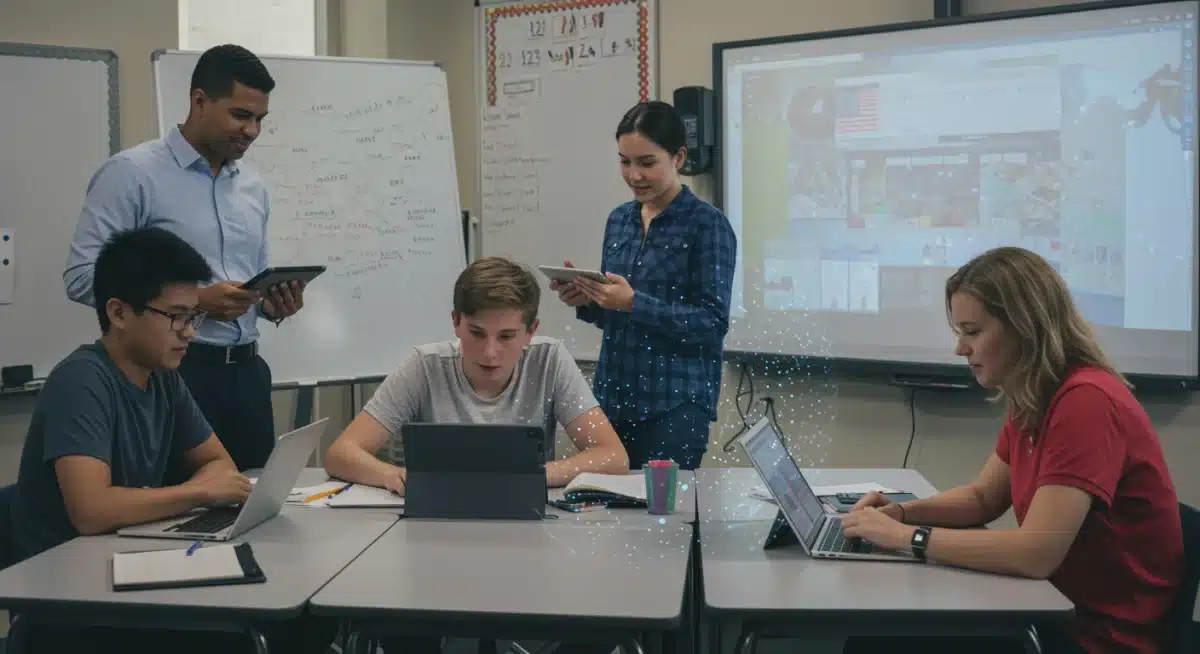
The digital age has ushered in an era where technological proficiency is as fundamental as reading and writing. As we look towards 2026, the imperative for robust digital literacy skills among US students and educators has never been more pronounced. This isn’t merely about knowing how to operate a computer; it’s about a comprehensive understanding of digital environments, critical evaluation of information, responsible online behavior, and the ability to create and innovate using digital tools. The landscape of education, employment, and civic engagement is continually reshaped by technology, making these skills non-negotiable for future success and societal progress.
The rapid pace of technological advancement demands a proactive approach to integrating digital literacy skills into every facet of the educational system. From elementary school classrooms to university lecture halls, and extending to the professional development of educators, the cultivation of these competencies is a national priority. This article will delve into the multifaceted nature of digital literacy, explore the specific skills required, examine the challenges and opportunities for US education, and propose actionable strategies to ensure that by 2026, our students and educators are not just consumers of technology, but confident, ethical, and effective participants in the digital world.
Why 2026? This timeframe provides a realistic yet urgent window to implement significant changes, allowing for curriculum development, teacher training, and the widespread adoption of new pedagogical approaches. It acknowledges the dynamic nature of technology, emphasizing the need for adaptable and future-proof skill sets. By focusing on 2026, we aim to equip the next generation with the tools they need to thrive in a globalized, digitally-driven economy and society.
Defining Digital Literacy Skills in the 21st Century
Before we can cultivate digital literacy skills, it’s crucial to establish a clear and comprehensive definition. Digital literacy extends far beyond basic computer operation. It encompasses a broad range of competencies that enable individuals to find, evaluate, create, and communicate information using digital technologies, as well as to participate in and navigate digital environments safely and ethically. Several frameworks exist to categorize these skills, but generally, they include:
- Information Literacy: The ability to effectively locate, evaluate, and use information found online. This involves discerning credible sources from misinformation, understanding biases, and synthesizing information from various digital formats.
- Media Literacy: Understanding how media messages are constructed, for what purpose, and with what effects. In a digital context, this includes analyzing digital news, social media content, advertisements, and other forms of online media.
- ICT (Information and Communication Technology) Literacy: Proficiency in using various digital tools and applications, such as word processors, spreadsheets, presentation software, communication platforms, and cloud-based services.
- Digital Citizenship: Understanding the rights, responsibilities, and opportunities of living, learning, and working in an interconnected digital world. This includes online safety, privacy, cyberbullying prevention, intellectual property rights, and ethical online behavior.
- Computational Thinking and Coding: The ability to approach problems in a way that can be solved with computation, often involving the use of algorithms, data analysis, and programming concepts. While not everyone needs to be a programmer, understanding these principles is increasingly valuable.
- Digital Creation and Innovation: The capacity to produce original digital content, such as multimedia presentations, websites, digital art, or even simple applications. This moves beyond consumption to active participation and contribution.
- Problem-Solving and Critical Thinking in Digital Environments: Using digital tools and resources to analyze problems, develop solutions, and make informed decisions, often involving collaboration and iterative processes.
By 2026, US students must possess a foundational understanding across all these areas. Educators, in turn, need to be proficient enough to not only teach these skills but also to model them effectively in their own professional practices. The interconnectedness of these competencies means that a holistic approach to teaching digital literacy skills is paramount.
The Urgency for US Students: Why Digital Literacy is Crucial by 2026
The reasons for prioritizing digital literacy skills for US students are multifaceted and compelling. The future workforce, civic engagement, and personal well-being are all deeply intertwined with digital proficiency.
Preparing for the Future Workforce
The job market is undergoing a profound transformation, with automation and artificial intelligence reshaping industries. Virtually every profession, from healthcare to manufacturing, now requires some level of digital proficiency. Students graduating in 2026 and beyond will enter a world where data analysis, cybersecurity awareness, remote collaboration tools, and specialized software are commonplace. Employers are increasingly seeking candidates who can not only use technology but also adapt to new digital tools, solve complex problems using digital resources, and understand the ethical implications of technology in the workplace. Lack of adequate digital literacy skills will severely limit career opportunities and economic mobility for individuals.
Fostering Informed and Engaged Citizens
In an age of pervasive digital information, the ability to critically evaluate online content is essential for informed civic participation. Misinformation and disinformation campaigns can undermine democratic processes and societal cohesion. Students need to develop strong media literacy skills to distinguish fact from fiction, understand different perspectives, and engage in constructive online discourse. By 2026, a digitally literate citizenry will be better equipped to make informed decisions about local, national, and global issues, contributing to a more resilient and democratic society.
Ensuring Online Safety and Well-being
The digital world presents both opportunities and risks. Issues like cyberbullying, online predators, privacy breaches, and digital addiction are serious concerns. Comprehensive digital literacy skills include understanding how to protect personal information, recognize and report online threats, develop healthy digital habits, and maintain a positive digital footprint. Educating students in these areas is crucial for their mental health, safety, and overall well-being in an increasingly connected world.
Promoting Creativity and Innovation
Beyond consumption, digital tools empower creation and innovation. From coding games and designing websites to producing digital art and music, technology offers unparalleled avenues for self-expression and problem-solving. Equipping students with the skills to create and innovate digitally fosters critical thinking, resilience, and an entrepreneurial mindset, preparing them to be creators and leaders, not just passive users.

The Role of Educators: Essential Digital Literacy Skills by 2026
Educators are the linchpin in cultivating digital literacy skills among students. Their own proficiency and comfort with technology directly impact their ability to integrate digital learning effectively. By 2026, US educators must not only possess strong personal digital literacy but also be adept at teaching and modeling these skills.
Mastering Digital Pedagogies
Beyond simply using digital tools, educators need to understand how to leverage technology to enhance learning outcomes. This includes:
- Blended Learning: Effectively combining online and in-person instruction.
- Personalized Learning: Using digital data and platforms to tailor learning experiences to individual student needs.
- Flipped Classrooms: Utilizing digital resources for content delivery outside of class, reserving class time for interactive activities and problem-solving.
- Assessment in Digital Environments: Designing and implementing digital assessments that accurately measure student learning and provide meaningful feedback.
- Collaborative Digital Tools: Facilitating group work and project-based learning using shared documents, virtual whiteboards, and communication platforms.
These pedagogical approaches require educators to continuously update their skills and adapt their teaching strategies to the evolving digital landscape.
Curating and Creating Digital Content
Educators should be proficient in finding, evaluating, and curating high-quality digital educational resources. This includes open educational resources (OER), interactive simulations, and reputable online articles. Furthermore, the ability to create engaging digital content – such as instructional videos, interactive quizzes, or digital storytelling projects – empowers educators to provide richer and more relevant learning experiences for their students. This goes hand-in-hand with understanding copyright and fair use in digital contexts.
Ensuring Digital Equity and Inclusion
A critical aspect of an educator’s role is to address the digital divide. This means understanding the challenges students face regarding access to technology and reliable internet, and actively seeking solutions to ensure equitable opportunities. Educators must also be skilled in using assistive technologies and designing accessible digital content to meet the needs of all learners, including those with disabilities. By 2026, an equitable approach to digital literacy skills instruction is non-negotiable.
Modeling Digital Citizenship and Ethics
Educators serve as role models. Their own digital footprint, online interactions, and approach to privacy and data security significantly influence students. Teachers must model responsible and ethical digital behavior, fostering a classroom culture where digital citizenship is actively discussed and practiced. This includes teaching students how to engage respectfully in online discussions, recognize and report cyberbullying, and protect their personal information.
Challenges and Opportunities in Implementing Digital Literacy by 2026
While the need for enhanced digital literacy skills is clear, the path to achieving widespread proficiency by 2026 is not without its hurdles. However, these challenges also present significant opportunities for innovation and growth within the US educational system.
Challenges:
- Teacher Training and Professional Development: Many educators, especially those nearing retirement, may lack the foundational digital skills or the confidence to integrate technology effectively. Providing ongoing, high-quality, and relevant professional development is a massive undertaking.
- Digital Divide and Equity: Disparities in access to devices, reliable internet, and digital support systems persist, particularly in rural and low-income communities. This can exacerbate existing educational inequalities.
- Rapid Technological Change: The constant evolution of technology means that curricula and teaching methods can quickly become outdated. Keeping pace requires continuous adaptation and investment.
- Funding and Resources: Implementing comprehensive digital literacy programs requires significant investment in infrastructure, devices, software, and professional development, which can be a challenge for underfunded schools and districts.
- Curriculum Integration: Integrating digital literacy across subjects, rather than treating it as a standalone topic, requires thoughtful curriculum design and interdisciplinary collaboration.
- Assessment: Developing effective methods to assess complex digital literacy skills, beyond simple technical proficiency, is an ongoing challenge.
Opportunities:
- Enhanced Learning Experiences: Digital tools can make learning more engaging, interactive, and personalized, catering to diverse learning styles and needs.
- Global Collaboration: Technology enables students and educators to connect and collaborate with peers around the world, fostering global awareness and intercultural understanding.
- Access to Vast Resources: The internet provides an unparalleled wealth of information and educational content, offering opportunities for deeper learning and exploration.
- Personalized Professional Development: Online platforms can offer flexible, on-demand professional development for educators, allowing them to upskill at their own pace and focus on relevant areas.
- Data-Driven Insights: Digital learning platforms can provide valuable data on student performance, allowing educators to identify areas for improvement and tailor interventions.
- Innovation in Pedagogy: The integration of digital tools encourages educators to experiment with new teaching methods, fostering a culture of innovation in the classroom.
Addressing these challenges and seizing these opportunities will be critical for the successful implementation of robust digital literacy skills programs by 2026.
Strategies for Fostering Digital Literacy Skills by 2026
Achieving widespread digital literacy skills by 2026 requires a concerted, multi-pronged strategy involving policymakers, educational institutions, communities, and families.
1. Comprehensive and Continuous Professional Development for Educators
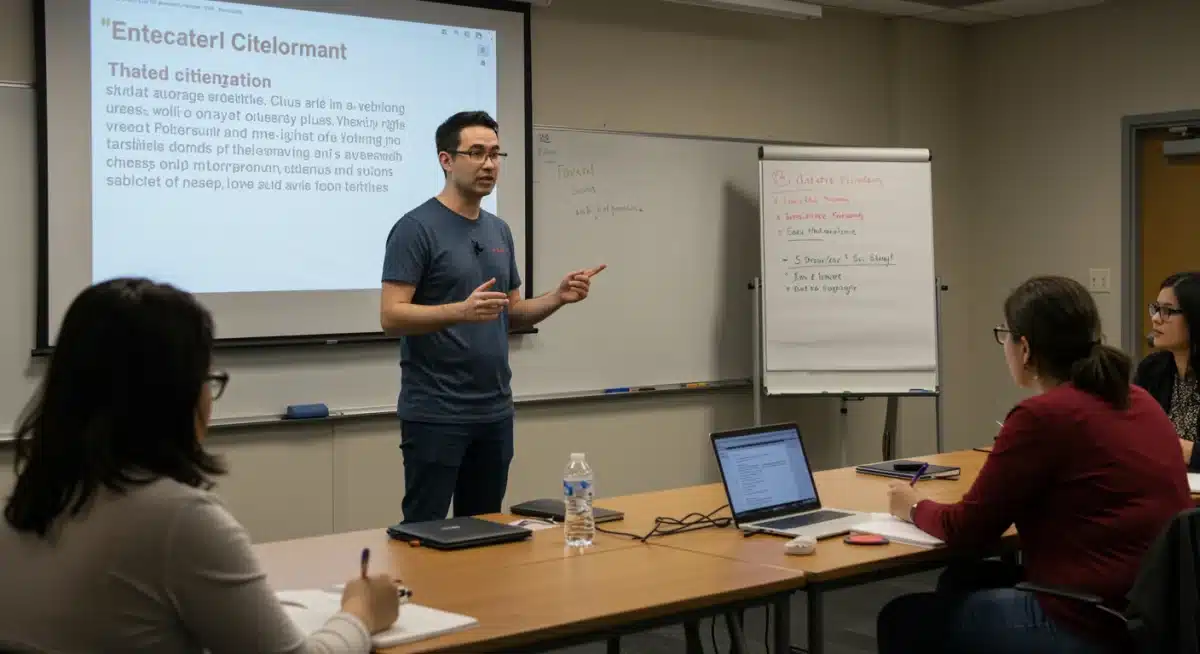
This is arguably the most crucial component. Schools and districts must invest in ongoing, high-quality professional development that is not a one-off event but an integrated part of an educator’s career. This training should:
- Focus on Pedagogy, Not Just Tools: Emphasize how to effectively integrate technology to enhance learning, rather than just teaching how to use specific software.
- Be Differentiated: Cater to varying levels of digital proficiency among educators.
- Include Digital Citizenship: Equip teachers to model and teach responsible online behavior.
- Offer Support Networks: Create communities of practice where educators can share best practices and troubleshoot challenges.
- Incentivize Participation: Recognize and reward educators who actively engage in and implement digital literacy training.
2. Integrating Digital Literacy Across the Curriculum
Digital literacy skills should not be taught in isolation but woven into every subject area. For example:
- English Language Arts: Analyzing digital texts, creating multimedia presentations, understanding online rhetoric.
- Social Studies: Evaluating historical sources online, engaging in digital civic discourse, mapping data.
- Science: Using simulation software, analyzing scientific data sets, collaborating on digital lab reports.
- Mathematics: Utilizing graphing calculators, spreadsheet software for data analysis, exploring coding concepts for problem-solving.
This approach ensures that students see the relevance of these skills in various contexts and apply them authentically.
3. Investing in Infrastructure and Equitable Access
To bridge the digital divide, significant investment is needed in:
- Device Access: Ensuring every student has access to a reliable digital device, both at school and at home.
- Broadband Connectivity: Expanding access to high-speed internet in underserved areas.
- Technical Support: Providing adequate IT support for schools and families.
- Community Initiatives: Partnering with libraries, community centers, and local organizations to provide access points and support.
4. Developing Robust Digital Citizenship Programs
Schools need dedicated programs that explicitly teach and reinforce digital citizenship. This includes lessons on:
- Online Safety and Privacy: Protecting personal information, recognizing phishing scams, understanding privacy settings.
- Cyberbullying Prevention: Recognizing, reporting, and responding to cyberbullying.
- Media and Information Literacy: Critically evaluating online sources, identifying fake news, understanding algorithms.
- Digital Footprint and Reputation: Understanding the long-term impact of online actions.
- Intellectual Property and Copyright: Respecting creative works in the digital space.
5. Fostering Computational Thinking and Coding Skills
While not every student needs to become a software engineer, exposure to computational thinking and basic coding concepts is invaluable. This can be integrated through:
- Age-Appropriate Coding Activities: Starting with visual block-based coding in elementary school and progressing to text-based languages in higher grades.
- Problem-Solving Challenges: Using computational thinking to break down complex problems.
- Robotics and AI Exploration: Introducing students to emerging technologies in an accessible way.
6. Engaging Parents and the Community
Digital literacy is a shared responsibility. Schools should engage parents through workshops, resources, and communication channels to help them support their children’s digital learning at home and reinforce safe online practices. Community partnerships can also provide additional learning opportunities and resources.
7. Continuous Evaluation and Adaptation
The digital landscape is constantly changing. Educational systems must establish mechanisms for continuous evaluation of digital literacy programs, gathering feedback from students, educators, and employers. This iterative process will ensure that strategies remain relevant and effective in preparing students for the future.
The Future of Learning: A Digitally Literate Generation by 2026
By 2026, the vision is of a US educational system where digital literacy skills are not an add-on, but an intrinsic part of learning. Students will navigate the digital world with confidence, critically evaluate information, create meaningful digital content, and engage responsibly as global citizens. Educators will be empowered to leverage technology effectively, fostering dynamic and inclusive learning environments. This transformation will require sustained commitment, innovative thinking, and collaborative efforts across all levels of society.
The investment in developing robust digital literacy skills is an investment in the future of the United States. It ensures that our workforce remains competitive, our democracy remains strong, and our citizens are well-equipped to thrive in an ever-evolving digital age. The time to act is now, to build a foundation that will serve generations to come.
The journey to achieving universal digital literacy by 2026 is ambitious, but entirely achievable with deliberate planning and execution. It’s about more than just technology; it’s about empowering individuals with the critical thinking, communication, and creative skills necessary to shape their own futures and contribute positively to the world around them. Let us embrace this challenge with enthusiasm and dedication, ensuring that every US student and educator is prepared for the opportunities of the digital age.