Veterans’ Benefits Update: 5 Critical Changes Taking Effect in 2026
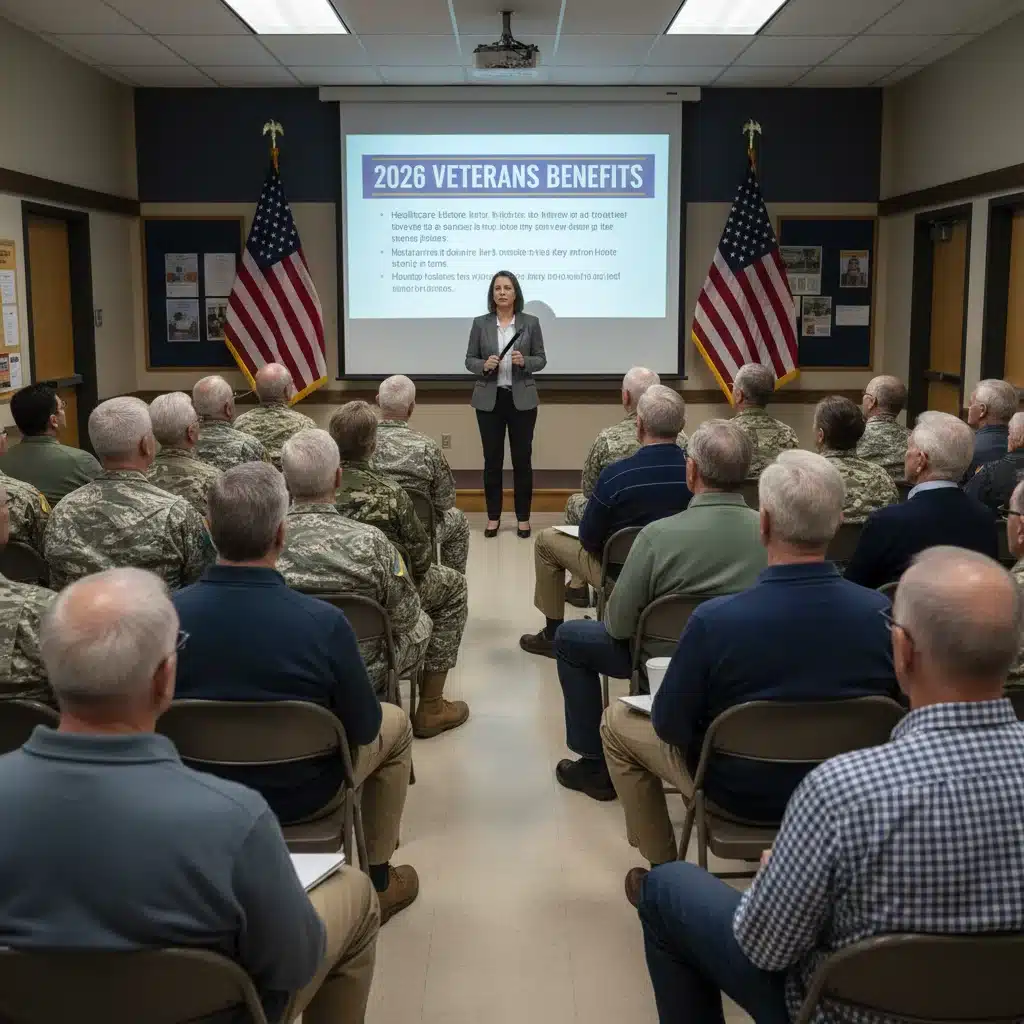
As we approach 2026, the United States Department of Veterans Affairs (VA) is preparing to implement a series of crucial updates and changes to the benefits available to our nation’s heroes. These modifications are designed to enhance support, streamline processes, and address evolving needs within the veteran community. Understanding these significant shifts is paramount for every veteran, their families, and the organizations that serve them. This comprehensive guide will delve into five critical changes taking effect in 2026, offering detailed insights into what to expect and how to prepare for the new landscape of veterans benefits 2026.
The commitment to those who have served is unwavering, and these upcoming changes reflect ongoing efforts to improve the quality of life for veterans across the board. From healthcare accessibility to educational opportunities and disability compensation, each adjustment carries substantial implications. Our aim is to provide clarity and actionable information, ensuring that you, or the veterans you support, are fully equipped to navigate these updates effectively. Let’s explore the future of veterans benefits 2026.
1. Expanded Healthcare Eligibility and Services
One of the most impactful changes slated for 2026 revolves around the expansion of healthcare eligibility and the introduction of new services within the VA healthcare system. This area has consistently been a top priority, recognizing that comprehensive and accessible medical care is fundamental to veteran well-being. The forthcoming updates aim to broaden the scope of who qualifies for VA healthcare and to introduce specialized programs that cater to specific health challenges faced by veterans.
Broader Eligibility Criteria
Historically, VA healthcare eligibility has been determined by a complex set of factors, including service-connected disabilities, income levels, and enrollment priority groups. In 2026, expect to see a simplification and expansion of these criteria. While specific details are still being finalized, preliminary proposals suggest a significant push to include more veterans who may not currently meet the strict requirements. This could involve:
- Lowering income thresholds: Allowing more low-income veterans to access cost-free or low-cost care.
- Expanding presumptive conditions: Adding more conditions to the list of those presumed to be service-connected, particularly for veterans exposed to certain environmental hazards during their service (e.g., burn pits, Agent Orange in new geographic areas). This will automatically grant eligibility and priority for related care.
- Inclusion of specific service eras: Potentially extending eligibility to veterans from service eras previously excluded or with limited access, ensuring a wider net of coverage.
These changes are designed to reduce barriers to entry, making it easier for a larger segment of the veteran population to receive the care they deserve. It’s crucial for veterans to review their service records and health conditions against the updated eligibility guidelines as they become available closer to 2026 to determine if they now qualify or can receive enhanced benefits.
New and Enhanced Healthcare Services
Beyond eligibility, the VA is committed to enhancing the quality and breadth of services offered. The veterans benefits 2026 update will likely introduce or significantly expand services in several key areas:
- Mental Health and Telehealth: A continued emphasis on mental health support, with expanded access to telehealth services. This includes increased funding for telemental health programs, making therapy and psychiatric care more accessible, particularly for veterans in rural areas or those with mobility challenges. New specialized programs for PTSD, TBI, and substance abuse are also anticipated.
- Long-Term Care and Geriatric Services: As the veteran population ages, there’s a growing need for comprehensive long-term care. The 2026 changes are expected to allocate more resources to nursing homes, assisted living facilities, and home-based primary care programs, ensuring veterans receive appropriate care as they age.
- Women’s Health Initiatives: Recognizing the growing number of women veterans, there will be further investment in gender-specific healthcare services, including reproductive health, maternity care, and services tailored to conditions more prevalent in women.
- Prosthetics and Rehabilitative Services: Advancements in medical technology will be integrated into VA services, offering state-of-the-art prosthetics and rehabilitative therapies to veterans with service-connected injuries.
These healthcare expansions represent a significant step forward in providing holistic and responsive care. Veterans are encouraged to regularly check the VA’s official website and consult with VA benefits counselors to understand how these new services can benefit them directly.
2. Modernization of Disability Compensation Claims Process
The process for filing and adjudicating disability compensation claims has long been a point of contention for many veterans, often characterized by complexity and lengthy wait times. The veterans benefits 2026 reforms aim to tackle these issues head-on through substantial modernization efforts. The goal is to create a more efficient, transparent, and veteran-friendly system.
Streamlined Application and Review
A major focus will be on leveraging technology to streamline the entire claims process. This includes:
- Digital-First Approach: Further development and promotion of online portals for filing claims, submitting evidence, and tracking application status. The VA is investing in user-friendly interfaces to make digital submission the preferred and most efficient method.
- Artificial Intelligence (AI) and Machine Learning (ML): The VA plans to integrate AI and ML tools to assist in the initial review of claims. These technologies can help identify missing information, flag common issues, and even suggest relevant medical codes, potentially speeding up the initial processing phase. It’s important to note that AI will likely support human adjudicators, not replace them, ensuring a human element remains in decision-making.
- Standardized Documentation Requirements: Efforts will be made to standardize the types of evidence and documentation required for common claims, reducing confusion and the need for multiple submissions.
Enhanced Transparency and Communication
Veterans often express frustration over the lack of clear communication regarding their claim’s status. The 2026 changes are expected to address this by:
- Improved Tracking Systems: Providing veterans with more granular and real-time updates on the progress of their claims through enhanced online dashboards and mobile applications.
- Proactive Communication: Implementing systems that automatically notify veterans of any issues with their claim, requests for additional information, or estimated timelines for completion.
- Dedicated Case Managers: Potentially expanding the availability of dedicated case managers for complex claims, offering a single point of contact for veterans throughout the process.
These modernization efforts are critical to reducing the burden on veterans and ensuring they receive timely and fair compensation for their service-connected disabilities. Staying informed about these procedural changes will be key for anyone planning to file or appeal a disability claim in 2026 and beyond.

3. Updates to Education and Training Programs
For many veterans, education and vocational training are vital pathways to successful civilian careers. The veterans benefits 2026 updates will introduce significant enhancements to education and training programs, primarily focusing on adaptability to the modern job market and increased access to high-quality learning opportunities.
Expanded Eligibility for Non-Traditional Programs
Recognizing the evolving landscape of education and employment, the VA is expected to broaden the types of programs covered by education benefits, such as the GI Bill. This expansion will likely include:
- Coding Bootcamps and Tech Certifications: Increased coverage for intensive, short-term training programs in high-demand technology fields, which often lead to immediate employment.
- Vocational and Skilled Trades: Enhanced support for apprenticeships, on-the-job training, and certifications in skilled trades, addressing critical workforce shortages.
- Online and Hybrid Learning: Further integration and support for fully online or hybrid learning models, offering flexibility for veterans who may be working, have family responsibilities, or live in remote areas. This is particularly relevant post-pandemic, as online education has become a staple.
These changes aim to ensure that veterans can pursue diverse educational paths that align with current economic needs, rather than being limited to traditional degree programs. The focus is on equipping veterans with marketable skills quickly and efficiently.
Enhanced Career Counseling and Support
Beyond financial assistance for tuition, the 2026 updates will likely place a greater emphasis on comprehensive career support:
- Personalized Career Counseling: Increased availability of dedicated career counselors to help veterans identify suitable career paths, choose appropriate educational programs, and navigate the job market.
- Job Placement Assistance: Stronger partnerships with employers and job placement services to connect veterans with relevant employment opportunities upon completion of their training.
- Entrepreneurial Support: New or expanded programs designed to support veterans interested in starting their own businesses, offering mentorship, training, and access to resources.
These holistic support services are designed to maximize the impact of education benefits, moving beyond simply paying for schooling to actively facilitating successful career transitions for veterans. Veterans considering using their education benefits in 2026 should research the newly approved programs and support services available.
4. Adjustments to Housing and Home Loan Guarantees
Secure and affordable housing is a cornerstone of stability for veterans and their families. The veterans benefits 2026 package is expected to include significant adjustments to VA home loan guarantees and other housing assistance programs, aiming to make homeownership more accessible and to address veteran homelessness more effectively.
Increased Loan Limits and Flexibility
While VA home loans famously require no down payment for eligible veterans, market conditions and rising home prices can still pose challenges. The 2026 changes may include:
- Higher Loan Limits: Adjustments to the maximum loan amounts for which the VA will guarantee, particularly in high-cost areas, to better reflect current housing market values. This allows veterans to purchase more expensive homes without needing a down payment.
- Streamlined Refinancing Options: Simplification of the VA Interest Rate Reduction Refinance Loan (IRRRL) process, making it easier and quicker for veterans to refinance their existing VA loans to secure lower interest rates.
- Adaptations for Energy Efficiency: Potential new incentives or easier access to funding for energy-efficient home improvements through VA loans, promoting sustainable living and reducing utility costs for veterans.
These adjustments are crucial for ensuring that the VA Home Loan program remains a powerful tool for veterans to achieve the dream of homeownership in a dynamic housing market.
Enhanced Support for Homeless Veterans
Addressing veteran homelessness remains a critical priority. The 2026 updates are anticipated to bolster existing programs and introduce new initiatives:
- Increased Funding for Housing Assistance Programs: Greater allocation of resources to programs like the Housing and Urban Development-VA Supportive Housing (HUD-VASH) program, which combines rental assistance with case management and supportive services.
- Rapid Re-Housing Initiatives: Expansion of programs focused on quickly moving homeless veterans into permanent housing with appropriate support services to prevent a return to homelessness.
- Partnerships with Community Organizations: Strengthening collaborations with non-profit organizations and local communities to provide a more robust network of support services, including temporary shelter, job training, and mental health care for homeless veterans.
These efforts underscore the VA’s commitment to ensuring that every veteran has a safe and stable place to call home. Veterans facing housing insecurity should proactively seek information on these enhanced programs as 2026 approaches.
5. Cost of Living Adjustments (COLA) and Other Financial Support
The financial stability of veterans is directly impacted by economic factors such as inflation. The veterans benefits 2026 updates will include crucial Cost of Living Adjustments (COLA) and potentially introduce new forms of financial assistance to ensure that benefits retain their purchasing power.
Annual COLA for Compensation and Pension
By law, VA disability compensation and pension rates are typically adjusted annually based on the Social Security Administration’s (SSA) COLA. For 2026, veterans can expect another adjustment designed to keep pace with inflation. While the exact percentage will be determined closer to the effective date, this annual increase is vital for:
- Maintaining Purchasing Power: Ensuring that the financial support veterans receive for service-connected disabilities and pensions can cover rising costs of living, including groceries, utilities, and other essential expenses.
- Financial Security: Providing a predictable increase that contributes to the overall financial security of veterans and their families.
It’s important for veterans to monitor official VA announcements regarding the specific COLA percentage for 2026 to accurately project their benefit income. This adjustment applies to various forms of compensation, including disability payments, Dependency and Indemnity Compensation (DIC), and Survivors Pension.
New Financial Assistance Programs
Beyond routine COLA, there could be new or expanded financial assistance programs targeting specific needs:
- Emergency Financial Aid: Potential for new or more accessible emergency financial aid programs for veterans facing unforeseen crises, such as natural disasters, sudden job loss, or medical emergencies. These programs would offer short-term relief to prevent greater financial hardship.
- Caregiver Support Expansion: Further expansion of the Program of Comprehensive Assistance for Family Caregivers (PCAFC), which provides financial stipends, training, and support to eligible caregivers of seriously injured veterans. This could involve broadening eligibility criteria or increasing stipend amounts.
- Burial and Memorial Benefits: Minor adjustments to burial and memorial benefits, such as increased allowances for burial expenses or transportation, to reflect current costs.
These financial adjustments and potential new programs underscore the VA’s ongoing commitment to providing a safety net and supporting the economic well-being of veterans. Staying informed about these updates can help veterans access critical financial resources when needed.

Preparing for the 2026 Changes: A Veteran’s Action Plan
With significant changes to veterans benefits 2026 on the horizon, proactive preparation is key to maximizing your entitlements and ensuring a smooth transition. Here’s an actionable plan for all veterans and their families:
1. Stay Informed Through Official Channels
- VA.gov: Regularly visit the official Department of Veterans Affairs website (VA.gov) for the most accurate and up-to-date information. Subscribe to their newsletters or alerts if available.
- Veterans Service Organizations (VSOs): Connect with accredited VSOs such as the American Legion, Veterans of Foreign Wars (VFW), Disabled American Veterans (DAV), or other reputable organizations. These groups often receive advance notice of changes and can provide personalized guidance.
- Local VA Offices: Maintain contact with your local VA medical center or regional benefits office. Attend informational sessions or webinars they may host as 2026 approaches.
2. Review Your Current Benefits and Eligibility
- Access Your Records: Log into your eBenefits or My HealtheVet account to review your current disability ratings, healthcare enrollment status, education benefit usage, and other relevant information.
- Assess Your Needs: Consider your current and future needs in terms of healthcare, education, housing, and financial support. Do any of the anticipated changes align with new needs or opportunities for you?
- Update Contact Information: Ensure your contact information (address, phone, email) is current with the VA to receive important notifications.
3. Gather and Organize Important Documents
- Service Records: Have your DD-214 and other service records readily accessible.
- Medical Records: Collect and organize any private medical records that could support a future claim or appeal, especially if related to presumptive conditions.
- Financial Documents: If your benefits are income-dependent, ensure you have accurate financial documentation.
4. Consult with a VA Benefits Counselor
- Professional Guidance: Seek advice from a trained and accredited VA benefits counselor. These professionals can help you understand complex regulations, assess your eligibility for new or expanded benefits, and assist with the application process.
- Pre-emptive Planning: Discuss how the 2026 changes might specifically impact your individual situation and what steps you can take now to prepare.
5. Advocate and Engage
- Provide Feedback: The VA often seeks feedback from the veteran community during policy development. Participate in surveys or forums if opportunities arise.
- Stay Engaged: Be an active member of your veteran community. Sharing information and experiences can help everyone navigate these changes more effectively.
The Broader Impact of Veterans Benefits 2026
The cumulative effect of these five critical changes to veterans benefits 2026 extends far beyond individual entitlements. They represent a significant investment in the well-being and future of the veteran community, with broader implications for society as a whole.
Strengthening the Veteran Support System
By expanding healthcare access, modernizing claims, enhancing educational pathways, improving housing options, and ensuring financial stability, these updates aim to create a more robust and responsive support system. This strengthens the social contract between the nation and its service members, acknowledging the sacrifices made and providing comprehensive care in return.
Economic Contributions of Veterans
When veterans receive the support they need – quality healthcare, education for new careers, and stable housing – they are better positioned to contribute positively to the economy. Educated veterans enter the workforce with valuable skills, stable veterans contribute to local economies through homeownership and consumption, and healthy veterans are more productive members of society. The 2026 changes are an investment in human capital that yields significant returns.
Addressing Evolving Challenges
The nature of military service and the challenges veterans face are constantly evolving. From the long-term health effects of new combat environments to the demands of a rapidly changing job market, the VA must adapt. The 2026 updates reflect an effort to address these evolving challenges proactively, ensuring that benefits remain relevant and effective for future generations of veterans.
A More Inclusive Approach
Particular emphasis on women’s health, broader eligibility, and diverse educational options highlights a move towards a more inclusive benefits system that recognizes the diverse demographics and experiences within the veteran community. This ensures that support is tailored to the specific needs of all who have served, regardless of gender, service era, or background.
Conclusion
The year 2026 marks a pivotal moment for veterans benefits 2026. The five critical changes outlined – expanded healthcare eligibility and services, modernization of disability compensation claims, updates to education and training programs, adjustments to housing and home loan guarantees, and essential Cost of Living Adjustments – collectively represent a significant evolution in how the nation supports its veterans. These reforms are not merely administrative tweaks; they are fundamental shifts designed to improve access, efficiency, and the overall quality of life for those who have worn the uniform.
For every veteran, understanding these changes is not just beneficial, but essential. Proactive engagement with official VA resources, accredited Veterans Service Organizations, and knowledgeable benefits counselors will be instrumental in navigating this new landscape. By staying informed, organizing your documentation, and seeking expert guidance, you can ensure that you are fully prepared to leverage the enhanced support and opportunities that will become available. The commitment to our veterans is a sacred trust, and these forthcoming changes in veterans benefits 2026 are a testament to that enduring promise, aiming to provide a future as secure and honorable as their service.