Energy Bill Relief: Understanding LIHEAP Benefits for Winter 2026

Energy Bill Relief: Understanding LIHEAP Benefits for Winter 2026
As the chill of winter approaches, many households across the United States begin to feel the impending burden of rising energy costs. Heating homes, especially during colder months, can become a significant financial strain, particularly for low-income families, seniors, and individuals with disabilities. This is where the Low Income Home Energy Assistance Program (LIHEAP) steps in, offering a critical lifeline to those who need it most. For Winter 2026, understanding the intricacies of LIHEAP benefits is more important than ever. This comprehensive guide will delve into what LIHEAP is, who is eligible, how to apply, and what changes or considerations might be at play for the upcoming heating season.
The goal of this article is to equip you with all the necessary information to navigate the LIHEAP application process successfully and ensure your home stays warm and safe without breaking the bank. We will explore the different types of assistance available, the documentation required, and tips for a smooth application experience. With energy prices subject to fluctuations and economic conditions constantly evolving, programs like LIHEAP provide a crucial safety net. Let’s embark on this journey to understand how LIHEAP benefits 2026 can provide much-needed energy bill relief.
What is LIHEAP and Why is it Essential for Winter 2026?
The Low Income Home Energy Assistance Program (LIHEAP) is a federally funded program that helps low-income households with their home energy bills. Administered by states and tribal organizations, LIHEAP assists millions of Americans each year by providing financial aid for heating and cooling costs, energy crisis assistance, and even minor home weatherization improvements. Its core mission is to reduce the burden of energy costs on vulnerable populations, preventing utility shut-offs, and ensuring safe, healthy living environments.
For Winter 2026, the importance of LIHEAP cannot be overstated. Economic uncertainties, persistent inflation, and the ongoing global energy landscape contribute to unpredictable energy prices. A sudden cold snap or an extended period of low temperatures can see household energy consumption spike, leading to exorbitant bills that many simply cannot afford. Without programs like LIHEAP, families might be forced to choose between heating their homes and other necessities like food or medicine. The program acts as a vital buffer, helping to maintain household stability and prevent energy-related health crises.
Beyond direct bill payment, LIHEAP also offers support during energy crises, such as a broken furnace or a disconnection notice. This crisis intervention can be life-saving for individuals and families facing immediate threats to their health and safety due to lack of heat. Furthermore, the weatherization component, while not available in all states or to all recipients, aims to make homes more energy-efficient, thereby reducing future energy consumption and costs. This forward-thinking aspect of LIHEAP can lead to long-term savings for beneficiaries.
Understanding the multi-faceted nature of LIHEAP is the first step in leveraging its benefits. It’s not just about paying a bill; it’s about providing security, stability, and a pathway to a more sustainable energy future for low-income communities. As we look towards Winter 2026, staying informed about these critical LIHEAP benefits 2026 will be paramount.
Who is Eligible for LIHEAP Benefits in 2026?
Eligibility for LIHEAP benefits 2026 is primarily based on income, household size, and energy burden. While the federal government sets general guidelines, specific criteria can vary slightly from state to state and even by local administering agency. It is crucial to check with your state or local LIHEAP office for the most accurate and up-to-date requirements.
Income Guidelines
Typically, households are eligible if their income is at or below 150% of the federal poverty level or 60% of the state’s median income, whichever is greater. Some states may have slightly different thresholds, but this serves as a general benchmark. For example, if the federal poverty level for a family of four is $30,000, then 150% would be $45,000. It’s important to note that these income limits are often gross income (before taxes and deductions).
The poverty guidelines are updated annually by the Department of Health and Human Services (HHS). Therefore, the exact income thresholds for Winter 2026 will be based on the guidelines released closer to that time. It’s advisable to look for the most current poverty guidelines when preparing your application.
Household Composition and Vulnerability
While income is a primary factor, LIHEAP also often prioritizes households with vulnerable members. This can include:
- Elderly individuals: Typically defined as those aged 60 or 65 and older.
- Children: Households with young children, often under the age of 6, 5, or even 18, depending on state rules.
- Individuals with disabilities: Those receiving disability benefits or with documented disabilities.
Some states may also consider households with high energy burdens, meaning a significant portion of their income is spent on energy costs, even if their income is slightly above the standard threshold. This ensures that those truly struggling with energy bills receive assistance.
Citizenship and Residency Requirements
Applicants must typically be U.S. citizens, qualified aliens, or permanent residents. Residency in the state or service area where you are applying is also generally required. These details are important and should be verified with your local agency.
Proof of Need
Beyond income and household composition, applicants must demonstrate a need for assistance. This usually involves providing recent utility bills to show current energy costs and a potential crisis if assistance is not provided. Disconnection notices are often a strong indicator of crisis eligibility.
It’s crucial to gather all necessary documentation before applying to streamline the process. The more prepared you are, the faster your application for LIHEAP benefits 2026 can be processed.
The Application Process for LIHEAP Benefits in Winter 2026
Applying for LIHEAP benefits 2026 requires careful attention to detail and timely submission. While the exact steps might vary by state and local agency, there’s a general framework that most applicants will follow. Familiarizing yourself with this process can significantly improve your chances of a successful application.
Step 1: Locate Your Local LIHEAP Office
The first and most critical step is to find out which agency administers LIHEAP in your area. This is typically done through your state’s social services department, a community action agency, or a local council on aging. The official U.S. Department of Health and Human Services (HHS) website provides a locator tool that can help you find your state’s LIHEAP contact information. A quick online search for “LIHEAP [Your State]” will also usually yield the correct results.
Step 2: Understand Application Periods
LIHEAP programs often have specific application periods. For heating assistance, applications typically open in the fall (e.g., October or November) and close in the early spring. Crisis assistance might be available year-round or during specific crisis periods. It is vital to apply as soon as the application period opens, as funds are limited and distributed on a first-come, first-served basis in many areas. Do not wait until you receive a disconnection notice to apply, if possible.
Step 3: Gather Necessary Documentation
This is perhaps the most time-consuming but essential part of the application. Having all documents ready beforehand can prevent delays. Common documents required include:
- Proof of Identity: For all household members (e.g., driver’s license, state ID, birth certificates).
- Proof of Income: For the past 30 days or longer, for all adults in the household (e.g., pay stubs, Social Security benefit letters, unemployment benefits, pension statements, child support statements, SNAP benefits).
- Proof of Residency: (e.g., lease agreement, utility bill with your name and address).
- Recent Utility Bills: From your heating and/or electric company. If you pay rent that includes utilities, a letter from your landlord stating this arrangement may be required.
- Social Security Numbers: For all household members.
- Other Documentation: Proof of disability, medical conditions requiring specific temperatures, or disconnection notices if applying for crisis assistance.
Creating a checklist based on your local agency’s requirements is highly recommended.
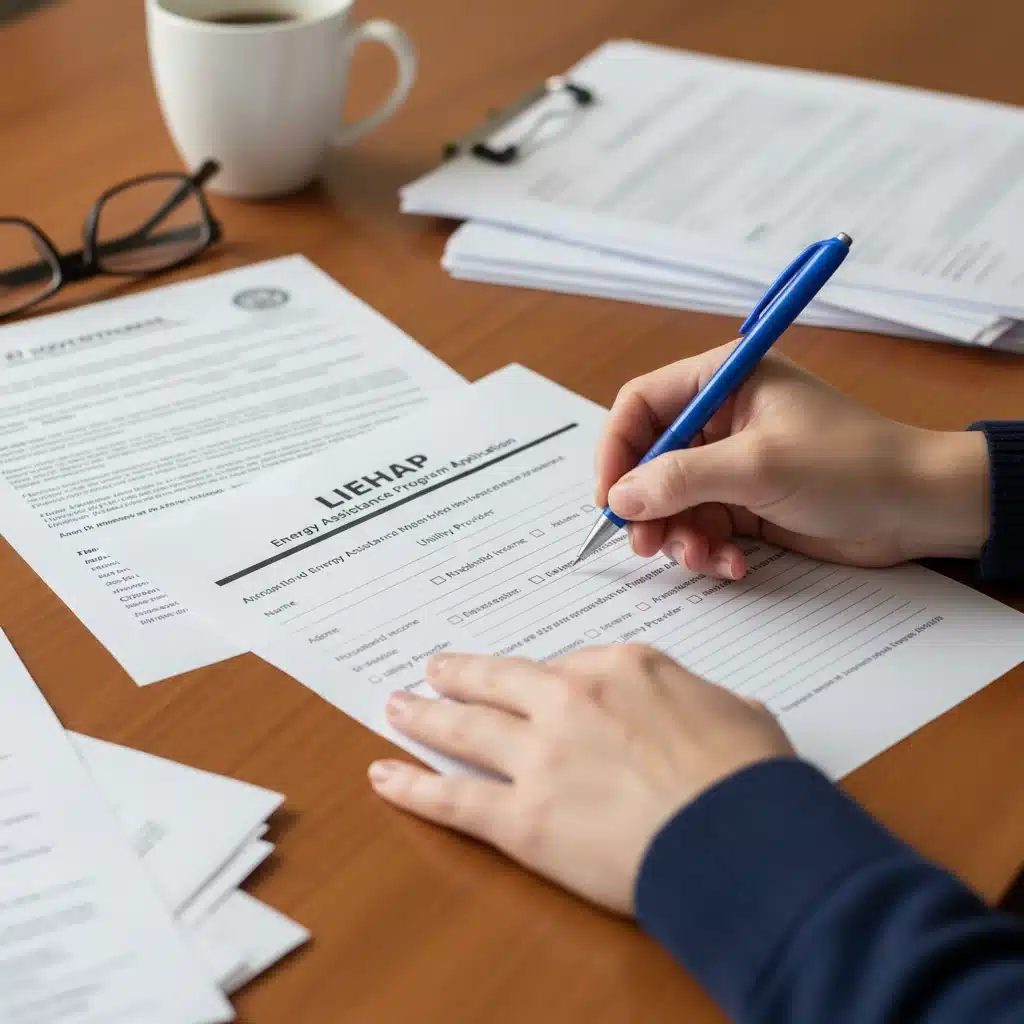
Step 4: Complete the Application Form
Application forms can usually be obtained online from your local agency’s website, by mail, or in person. Fill out the form completely and accurately. Any missing information or inaccuracies can lead to delays or rejection. If you have questions, do not hesitate to contact your local LIHEAP office for clarification.
Step 5: Submit Your Application
Applications can typically be submitted in person, by mail, or through an online portal, depending on the agency. Always keep a copy of your submitted application and all supporting documents for your records. If submitting in person, ask for a receipt. If mailing, consider using certified mail to track delivery.
Step 6: Follow Up
After submission, it’s a good idea to follow up with the LIHEAP office after a reasonable processing time (which they should communicate to you). This allows you to check on the status of your application and address any potential issues promptly. Patience is key, as these offices often handle a high volume of applications.
By diligently following these steps, you can streamline your application for LIHEAP benefits 2026 and increase your chances of receiving the energy bill relief you need.
Types of LIHEAP Benefits Available for Winter 2026
LIHEAP is a versatile program designed to address various energy-related needs of low-income households. The specific types of assistance available for Winter 2026 will depend on your state and local agency’s offerings, but they generally fall into a few key categories:
1. Heating Assistance
This is the most common form of LIHEAP assistance, providing direct financial aid to help eligible households pay for their primary heating source. This can include:
- Utility bill payments: Funds are typically paid directly to your utility company (gas, electric, oil, propane, wood, etc.) on your behalf.
- Fuel delivery: For households that rely on deliverable fuels like oil, propane, or wood, LIHEAP may cover the cost of a fuel delivery.
The amount of heating assistance varies based on factors like household income, size, energy burden, and the type of heating fuel used. Some states offer a one-time payment, while others might provide multiple payments throughout the heating season.
2. Cooling Assistance
While often associated with winter, LIHEAP also provides cooling assistance in many states, particularly those with extremely hot summers. This aid helps cover the cost of electricity to run air conditioning units or may even provide assistance for purchasing or repairing cooling equipment. Although our focus is on Winter 2026, it’s worth noting this component for year-round energy support.
3. Energy Crisis Assistance
This critical component of LIHEAP is designed for households facing an immediate energy-related emergency. An energy crisis might include:
- A utility shut-off notice.
- An empty fuel tank (for deliverable fuels).
- A broken furnace or heating system during cold weather.
- Any situation where a household is without heat or faces an imminent threat to health and safety due to lack of energy.
Crisis assistance is often processed more quickly than regular heating assistance and may involve higher benefit amounts to resolve the emergency. Documentation of the crisis (e.g., a shut-off notice) is usually required.
4. Weatherization and Energy-Related Home Repair
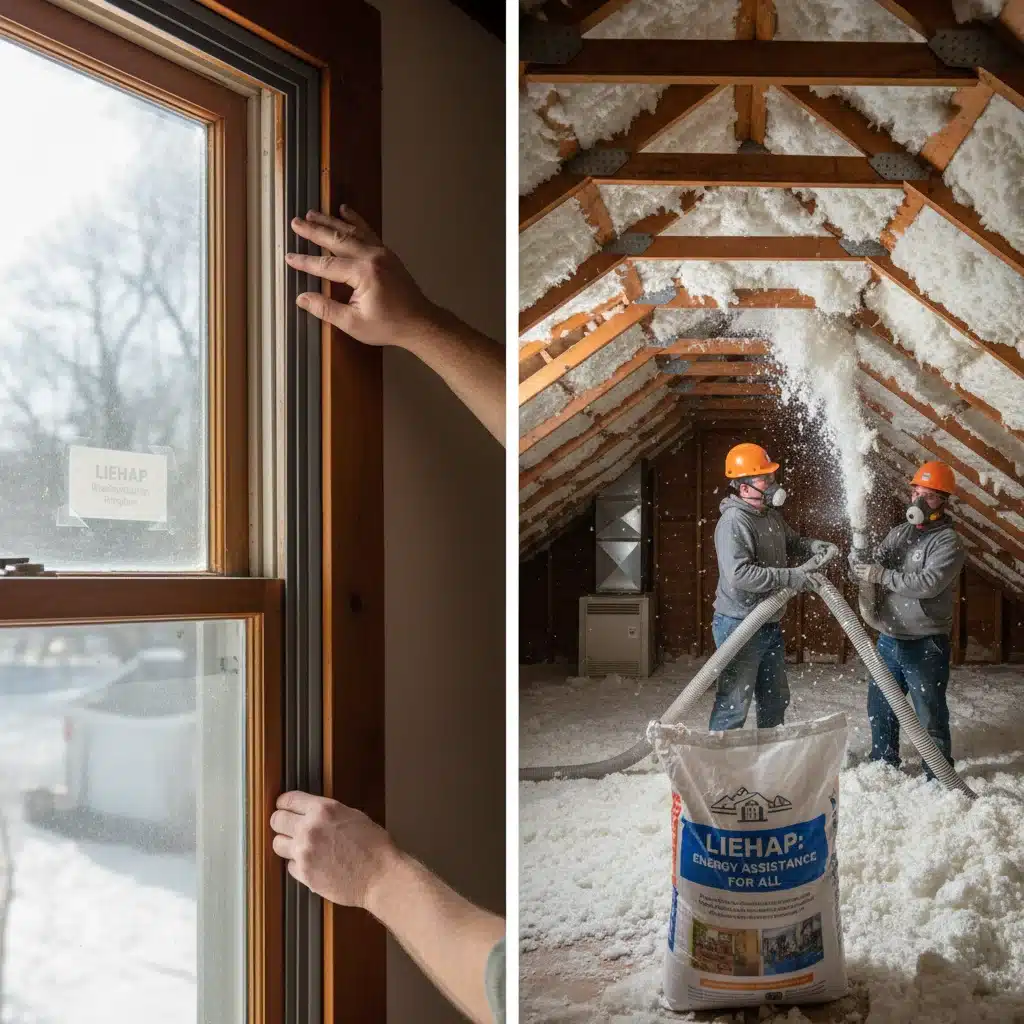
Some LIHEAP programs offer weatherization assistance to help make homes more energy-efficient. This can include:
- Insulation upgrades.
- Sealing air leaks (weatherstripping, caulking).
- Window and door repairs or replacements.
- Minor heating system repairs or replacements.
The goal of weatherization is to reduce a household’s energy consumption, leading to lower utility bills in the long run. This type of assistance is often provided as a separate service, sometimes through a different agency, and may have its own application process and eligibility criteria, though still linked to LIHEAP funding. While not every applicant will receive weatherization, it’s a valuable component to inquire about when seeking LIHEAP benefits 2026.
It’s important to understand that you may be eligible for one or more of these types of assistance, depending on your circumstances and the availability of funds in your area. Always inquire about all available options when contacting your local LIHEAP office.
Maximizing Your LIHEAP Benefits and Avoiding Common Pitfalls
To ensure you get the most out of LIHEAP benefits 2026 and avoid common missteps, consider the following strategies and advice:
Apply Early
As mentioned, funds are often limited and distributed on a first-come, first-served basis. Applying as soon as the application period opens significantly increases your chances of receiving assistance. Don’t wait until you’re facing a crisis, if possible.
Be Thorough and Accurate
Double-check all information on your application form. Any discrepancies or missing information can cause delays or even lead to rejection. Ensure all supporting documents are legible and clearly match the information on your application.
Keep Records
Maintain copies of everything: your application, all submitted documents, confirmation numbers, and any correspondence with the LIHEAP office. This will be invaluable if there are any questions or issues with your application.
Communicate with Your Utility Company
If you are struggling to pay your bills while waiting for LIHEAP approval, contact your utility company. Many companies have their own assistance programs, payment plans, or can put a hold on disconnection notices if you’ve applied for LIHEAP. Informing them of your LIHEAP application can sometimes buy you more time.
Explore Other Assistance Programs
LIHEAP is just one piece of the puzzle. Many states and localities offer additional energy assistance programs, some specifically for seniors, veterans, or individuals with certain medical conditions. Community action agencies are excellent resources for discovering these complementary programs. Look into programs like the Weatherization Assistance Program (WAP), which is separate but often works in conjunction with LIHEAP to provide long-term energy savings.
Understand Your Energy Usage
Even with assistance, understanding and managing your home’s energy consumption can lead to significant savings. Simple changes like adjusting your thermostat, sealing drafts, using energy-efficient light bulbs, and unplugging electronics when not in use can make a difference. Many utility companies offer free home energy audits or tips for reducing usage.
Beware of Scams
Unfortunately, where there’s assistance, there can be scams. Only apply for LIHEAP through official state or local government channels or trusted community organizations. Never give out personal information, especially your Social Security number or bank details, to unsolicited callers or websites claiming to offer LIHEAP assistance without verifying their legitimacy.
Seek Advocacy if Needed
If you believe your application was unfairly denied or you are having trouble navigating the process, consider reaching out to a local advocacy group, legal aid society, or consumer protection agency. They may be able to provide guidance or intervene on your behalf.
The Future of LIHEAP and What to Expect for Winter 2026
The landscape of energy assistance programs is constantly evolving, influenced by federal funding decisions, economic conditions, and the specific needs of communities. While the core mission of LIHEAP remains steadfast, there are always considerations for what the future, specifically Winter 2026, might hold.
Funding Levels
The amount of federal funding allocated to LIHEAP can fluctuate year to year. These decisions are made by Congress and can impact the number of households that can be served and the average benefit amount. Advocates for LIHEAP continually work to ensure robust funding, highlighting the program’s vital role in public health and safety. Staying informed about federal budget discussions can offer insights into potential funding levels for LIHEAP benefits 2026.
Economic Factors
Broader economic trends, such as inflation, energy price volatility, and unemployment rates, directly affect the demand for LIHEAP and the cost of providing assistance. If energy prices continue to rise or economic hardship becomes more widespread, the program’s resources will be stretched further. Conversely, a stable economy might lead to fewer applicants, potentially allowing for higher individual benefits or more comprehensive services.
Program Modernization and Digital Access
Many government assistance programs are moving towards greater digitalization. For Winter 2026, it’s possible that more states will offer online application portals, digital document submission, and improved online resources. This can make the application process more accessible and efficient for many, though it’s crucial to ensure that those without internet access or digital literacy are not left behind. Agencies are often working to balance digital convenience with traditional access points.
Focus on Energy Efficiency
There’s a growing emphasis on long-term solutions for energy poverty, and weatherization programs are a key part of this. While direct bill payment is immediate relief, investing in making homes more energy-efficient reduces the reliance on future assistance. It’s plausible that there might be increased promotion or integration of weatherization services alongside direct heating assistance for LIHEAP benefits 2026, aiming for sustainable energy savings.
Climate Change Considerations
As climate patterns become more unpredictable, extreme weather events – both severe cold and intense heat – are becoming more frequent. This places increased pressure on energy grids and household budgets. LIHEAP’s role in providing crisis assistance during these events is likely to remain critical, and there might be discussions around adapting the program to better respond to climate-related energy challenges.
While we cannot predict the exact details for Winter 2026, the core principles of LIHEAP – providing essential energy assistance to vulnerable households – will undoubtedly remain. Staying connected with your local LIHEAP office and advocacy groups will be the best way to keep abreast of any changes or new opportunities for assistance.
Conclusion: Securing Your Home with LIHEAP Benefits for Winter 2026
Navigating the complexities of energy costs, especially during the harsh winter months, can be a daunting prospect for many families. However, programs like LIHEAP stand as a beacon of hope, offering crucial financial assistance and peace of mind. As we prepare for Winter 2026, understanding and utilizing LIHEAP benefits 2026 will be instrumental in ensuring that no household has to choose between warmth and other essential needs.
From deciphering eligibility criteria and meticulously gathering documentation to understanding the different types of aid available – be it heating, cooling, crisis intervention, or weatherization – every step in the LIHEAP journey is designed to bring relief. Remember to start early, be thorough in your application, and keep open lines of communication with your local administering agency and utility providers. These proactive measures can make a significant difference in securing the support you need.
The importance of LIHEAP extends beyond mere financial aid; it’s about safeguarding health, promoting stability, and fostering community resilience. It empowers individuals and families to live in safe, comfortable environments, allowing them to allocate their limited resources to other vital areas of their lives. While the future holds its own challenges and potential changes for energy assistance programs, the fundamental commitment to helping those in need remains unwavering.
Do not let the fear of high energy bills cast a shadow over your winter. Take the initiative, educate yourself about the resources available, and apply for the LIHEAP benefits 2026 that can help keep your home warm and secure. Your local LIHEAP office is ready to assist you. Reach out today and ensure a warmer, more secure future for your household.