College Readiness: 12-Month Plan for US High Schoolers
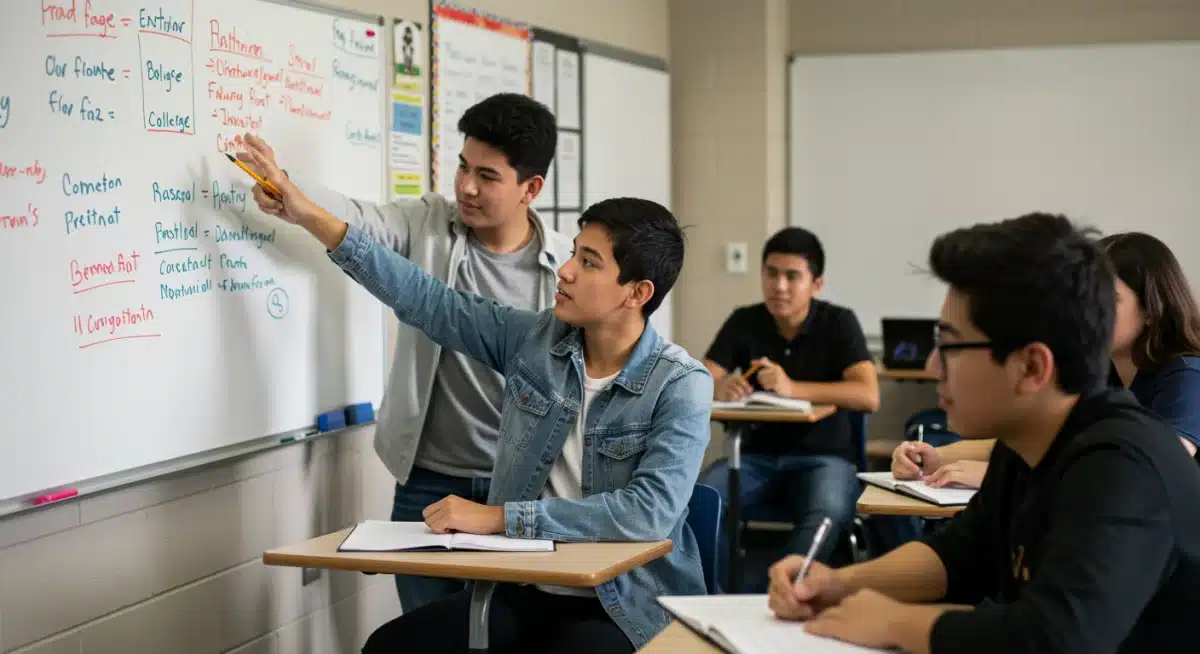
Achieving college readiness in the US requires a structured 12-month action plan that integrates academic excellence, extracurricular engagement, standardized test preparation, and thoughtful application strategies for high school students.
Embarking on the journey to higher education can feel overwhelming, but with a strategic approach, high school students in the US can confidently navigate the path. This article will provide a detailed, month-by-month guide to mastering Achieving College Readiness: A 12-Month Action Plan for High School Students in the US, ensuring you are well-prepared for the challenges and opportunities that lie ahead.
Understanding College Readiness: More Than Just Grades
College readiness extends beyond merely achieving good grades; it encompasses a holistic set of skills, knowledge, and experiences that prepare students for the academic rigor and social demands of university life. It’s about developing critical thinking, problem-solving abilities, and independence.
For many high school students, the idea of college readiness can seem daunting, a distant goal requiring an elusive combination of factors. However, by breaking down the process into manageable steps, it becomes much clearer. It involves not just excelling in coursework but also engaging in activities that foster personal growth and demonstrate initiative.
Academic Foundations and Skill Development
A strong academic foundation is paramount. This means consistently performing well in challenging courses and developing strong study habits. Beyond memorization, colleges look for students who can analyze, synthesize, and communicate effectively.
- Challenging Coursework: Enroll in AP, IB, or honors classes to demonstrate academic ambition and capability.
- Critical Thinking: Actively engage in discussions, ask questions, and seek to understand concepts deeply, not just superficially.
- Effective Communication: Practice writing clear, concise essays and participate in public speaking opportunities.
Developing Essential Soft Skills
Beyond academics, colleges value soft skills that contribute to a well-rounded individual. These include leadership, teamwork, time management, and resilience. Participating in extracurricular activities is an excellent way to cultivate these attributes.
Ultimately, college readiness is about setting yourself up for success in an environment that demands self-motivation and adaptability. It’s about being prepared to learn, grow, and contribute meaningfully to a diverse academic community. Understanding this broad definition is the first step in formulating an effective action plan.
Months 1-3: Laying the Groundwork and Self-Assessment
The initial three months of your 12-month college readiness plan are crucial for self-reflection and establishing a solid foundation. This period should be dedicated to understanding your interests, strengths, and academic standing, as well as beginning to explore potential college options.
Many students rush into the application process without truly understanding what they want from a college experience. Taking time now to reflect can save a lot of stress and ensure a better fit later on. This also involves honest self-assessment regarding academic performance and areas for improvement.
Exploring Interests and Career Paths
Start by considering what subjects genuinely excite you and what kind of career paths align with those interests. This exploration doesn’t have to lead to a definitive answer right away, but it helps narrow down potential majors and types of institutions.
- Interest Inventories: Utilize online career aptitude tests and interest inventories to uncover potential fields.
- Informational Interviews: Speak with professionals in fields that interest you to gain real-world insights.
- Volunteer Work: Engage in volunteer activities related to your interests to test out potential passions.
Assessing Academic Standing and Course Selection
Review your transcript and current course load. Are you taking the most challenging classes available and performing well? This is the time to make any necessary adjustments to your academic plan to ensure it reflects college expectations.
It is also important to consider your GPA and how it compares to the average GPA of students admitted to your target schools. If there are areas needing improvement, now is the time to seek extra help or dedicate more study time. This proactive approach ensures you’re on track to meet academic benchmarks.

By the end of these first three months, you should have a clearer picture of your academic profile, your burgeoning interests, and a preliminary list of colleges that align with your aspirations. This initial groundwork is invaluable for the more intensive planning to come.
Months 4-6: Standardized Testing and Extracurricular Deep Dive
As you move into months four through six, the focus shifts to standardized testing and deepening your involvement in extracurricular activities. This period is critical for strengthening your college application profile and demonstrating commitment beyond academics.
Standardized tests like the SAT and ACT are often significant components of college applications, and preparing for them effectively requires dedicated effort. Simultaneously, colleges look for sustained engagement and leadership in extracurriculars, not just a long list of activities.
Strategic Standardized Test Preparation
Identify which test (SAT or ACT) best suits your strengths by taking practice tests. Once decided, create a study schedule. Many resources are available, from online platforms to test prep books and courses.
- Diagnostic Tests: Take full-length practice tests for both the SAT and ACT to determine which one you perform better on naturally.
- Consistent Study Schedule: Allocate regular time slots each week for test preparation, focusing on areas identified as weaknesses.
- Utilize Resources: Explore free resources like Khan Academy for SAT prep or official ACT practice materials.
Meaningful Extracurricular Engagement
Instead of joining many clubs superficially, aim for deeper involvement in a few activities that genuinely interest you. Seek leadership roles or opportunities to make a significant contribution.
Colleges prefer to see passion and impact rather than just participation. Whether it’s sports, arts, community service, or academic clubs, demonstrating initiative and growth will stand out. This commitment showcases your character and potential contributions to campus life.
By the end of this quarter, you should have a solid plan for standardized test preparation, potentially having taken one official test, and be actively engaged in extracurriculars, working towards leadership or impactful contributions. This dual focus builds a robust and appealing profile for college admissions.
Months 7-9: College Research and Campus Visits
The next three months are dedicated to intensive college research and, if possible, campus visits. This phase is about transitioning from a broad interest in higher education to identifying specific institutions that are a good fit for your academic, social, and financial needs.
Online research can provide a wealth of information, but nothing replaces the experience of visiting a campus. These visits offer invaluable insights into the culture, student body, and academic environment, helping you visualize your future at each institution.
In-Depth College Exploration
Begin compiling a balanced list of “reach,” “target,” and “safety” schools. Consider factors beyond rankings, such as program offerings, campus size, location, and student-faculty ratio. Look for institutions where you can thrive academically and personally.
- Online Databases: Use websites like College Board, Niche, and U.S. News & World Report to research schools based on your criteria.
- Virtual Tours: If in-person visits aren’t possible, take advantage of virtual campus tours and online information sessions.
- Alumni and Student Perspectives: Seek out current students or alumni to get an authentic perspective on campus life.
Planning and Executing Campus Visits
When planning visits, try to schedule them during breaks or weekends to minimize disruption to your studies. Prepare questions for admissions officers, faculty, and current students. Pay attention to the overall atmosphere and how you feel on campus.
During your visit, observe the interactions between students and professors, check out the dorms, dining halls, and recreational facilities. These small details can significantly influence your decision. A well-planned visit can solidify your interest in a school or help you realize it’s not the right fit.
By the end of this period, you should have a refined list of colleges you intend to apply to, supported by thorough research and, ideally, personal experiences from campus visits. This focused approach ensures your applications are directed towards institutions where you are most likely to succeed and be happy.
Months 10-12: Application Preparation and Submission
The final three months of your 12-month action plan are arguably the most intensive, focusing on crafting compelling applications and meeting submission deadlines. This period requires meticulous organization, attention to detail, and often, a significant amount of writing.
Many students underestimate the time and effort required for a strong application. It’s not just about filling out forms; it’s about presenting a cohesive narrative that highlights your strengths, experiences, and aspirations to the admissions committee.
Crafting Standout Essays and Personal Statements
Your essays and personal statements are your opportunity to showcase your personality, voice, and unique qualities that numbers on a transcript cannot convey. Start brainstorming topics early and allow ample time for multiple drafts and revisions.
- Brainstorming: Reflect on significant life experiences, challenges, and achievements that have shaped who you are.
- Multiple Drafts: Write several drafts, seeking feedback from teachers, counselors, and trusted adults.
- Proofreading: Carefully proofread for grammar, spelling, and punctuation errors. A fresh pair of eyes can be invaluable.
Securing Recommendations and Finalizing Applications
Request letters of recommendation from teachers and counselors who know you well and can speak to your academic and personal strengths. Provide them with ample time and any necessary information, such as your resume or a list of your achievements.
Double-check all application requirements and deadlines for each institution. Ensure all components—transcripts, test scores, essays, and recommendations—are submitted correctly and on time. This final push is critical for a successful application cycle.
By the conclusion of these months, all your college applications should be submitted, and you can breathe a sigh of relief, knowing you’ve meticulously prepared for this significant step. This organized approach maximizes your chances of admission to your desired institutions.
Financial Aid and Scholarship Applications: A Critical Component
Understanding and applying for financial aid and scholarships is an integral part of achieving college readiness for many students. The cost of higher education can be substantial, and securing financial assistance can make college a reality. This process often runs concurrently with application submissions.
Don’t wait until you’ve received acceptance letters to start thinking about funding. Proactive engagement with financial aid resources can significantly reduce the financial burden of college and open doors to institutions you might not have considered otherwise.
Navigating the FAFSA and CSS Profile
The Free Application for Federal Student Aid (FAFSA) is the gateway to federal grants, loans, and work-study programs. The CSS Profile, used by some private institutions, provides a more detailed assessment of a family’s financial need.
- Gather Documents: Collect necessary financial documents, such as tax returns and bank statements, well in advance.
- Meet Deadlines: Be aware of and adhere to federal, state, and institutional financial aid deadlines, which can vary.
- Seek Assistance: Don’t hesitate to contact your high school counselor or college financial aid offices for help with complex questions.
Exploring Scholarship Opportunities
Scholarships are a fantastic way to reduce college costs, as they do not need to be repaid. They can be merit-based, need-based, or tied to specific talents, interests, or demographics. Many scholarships are available through colleges, private organizations, and local community groups.
Start researching scholarships early. Look for opportunities that align with your academic achievements, extracurricular involvement, and personal background. Every scholarship, no matter how small, can contribute to making college more affordable.
Successfully navigating the financial aid and scholarship landscape is as important as academic preparation. A well-executed financial plan ensures that your hard work in achieving college readiness translates into an accessible and affordable higher education experience.
Maintaining Momentum and Preparing for Transition
Even after submitting applications, the journey to college readiness isn’t over. The period between application submission and college matriculation is vital for maintaining academic momentum and preparing for the transition to university life. This involves staying engaged and proactively addressing any remaining loose ends.
Senioritis is a real phenomenon, but it’s crucial to resist the urge to disengage. Colleges can rescind admission offers if senior year grades drop significantly. Maintaining strong academic performance until graduation is a testament to your discipline and commitment.
Staying Academically Engaged
Continue challenging yourself in your senior year courses. Use this time to explore subjects you might not have had a chance to delve into earlier or to strengthen skills that will be beneficial in college.
Many colleges offer placement exams in subjects like math and foreign languages. Strong performance now can lead to starting at a higher course level, potentially saving time and money. View your senior year as a bridge, not an endpoint.
Preparing for College Life
Beyond academics, begin to think about the practical aspects of college life. This includes developing independent living skills, understanding budgeting, and learning to manage your time effectively without constant parental oversight. These skills are fundamental to a successful transition.
- Life Skills: Practice basic cooking, laundry, and financial management.
- Time Management: Experiment with different organizational tools and techniques to find what works best for you.
- Connect with Peers: If possible, connect with future classmates online or through orientation programs to build a support network.
By maintaining your focus and actively preparing for the transition, you ensure that your 12-month action plan culminates in a smooth and successful entry into college. This final phase solidifies your readiness not just for admission, but for thriving in your new academic environment.
| Key Aspect | Brief Description |
|---|---|
| Academic Excellence | Focus on challenging coursework and maintaining high grades to demonstrate intellectual capability. |
| Standardized Testing | Strategically prepare for and take the SAT/ACT to meet college admission requirements. |
| Extracurricular Engagement | Deeply involve yourself in activities that showcase leadership, passion, and commitment. |
| Application Strategy | Craft compelling essays, secure strong recommendations, and manage deadlines effectively. |
Frequently Asked Questions About College Readiness
Ideally, students should begin thinking about college readiness during their freshman or sophomore year. However, a dedicated 12-month action plan during junior and senior year can still be highly effective for focused preparation and application success.
Yes, extracurriculars are very important. They demonstrate leadership, teamwork, passion, and time management skills. Colleges prefer deep involvement in a few activities over superficial participation in many, showcasing genuine commitment.
Take full-length diagnostic tests for both the SAT and ACT to see which format and content better suit your strengths. Consider your comfort with math, science reasoning, and reading comprehension to make an informed decision.
While all parts are important, a strong academic record combined with compelling essays and personal statements often makes the biggest impact. Essays allow you to showcase your unique voice, personality, and what you can contribute to the college community.
To make college affordable, diligently complete the FAFSA and CSS Profile. Actively research and apply for scholarships based on merit, need, or specific interests. Also, consider in-state public universities or community colleges for lower tuition costs.
Conclusion
Achieving college readiness is a comprehensive journey that requires foresight, dedication, and strategic planning. By following a structured 12-month action plan, high school students in the US can systematically address academic requirements, standardized testing, extracurricular involvement, and the complex application process. This proactive approach not only enhances the chances of admission to desired institutions but also equips students with essential skills and confidence for a successful transition to higher education. Remember, every step taken in high school contributes to building a strong foundation for your college future.