Credit Score Maximization 2026: Reach 750+ in 6 Months

Achieving a high credit score is crucial for financial well-being. This guide provides 7 expert tips for credit score maximization in 2026, enabling you to reach a score above 750 within six months through strategic financial practices.
Are you ready to transform your financial future? Understanding and actively managing your credit score is more important than ever. This guide focuses on Credit Score Maximization in 2026: 7 Expert Tips to Reach a Score Above 750 Within 6 Months, offering actionable strategies to elevate your credit standing significantly and unlock better financial opportunities.
Understanding Your Current Credit Landscape
Before embarking on any journey of improvement, it is essential to know your starting point. Understanding your current credit score and the factors influencing it is the foundational step towards credit score maximization. Your credit report provides a detailed history of your financial behavior, including payment records, outstanding debts, and the types of credit you hold. This document is a critical tool for identifying areas that require attention and improvement.
Regularly reviewing your credit report from all three major bureaus—Equifax, Experian, and TransUnion—is a non-negotiable practice. Federal law entitles you to a free report from each bureau once every 12 months. Utilize this right to check for inaccuracies or fraudulent activity, which could be negatively impacting your score without your knowledge. Correcting errors promptly can often lead to an immediate boost in your credit score.
The Pillars of a Strong Credit Score
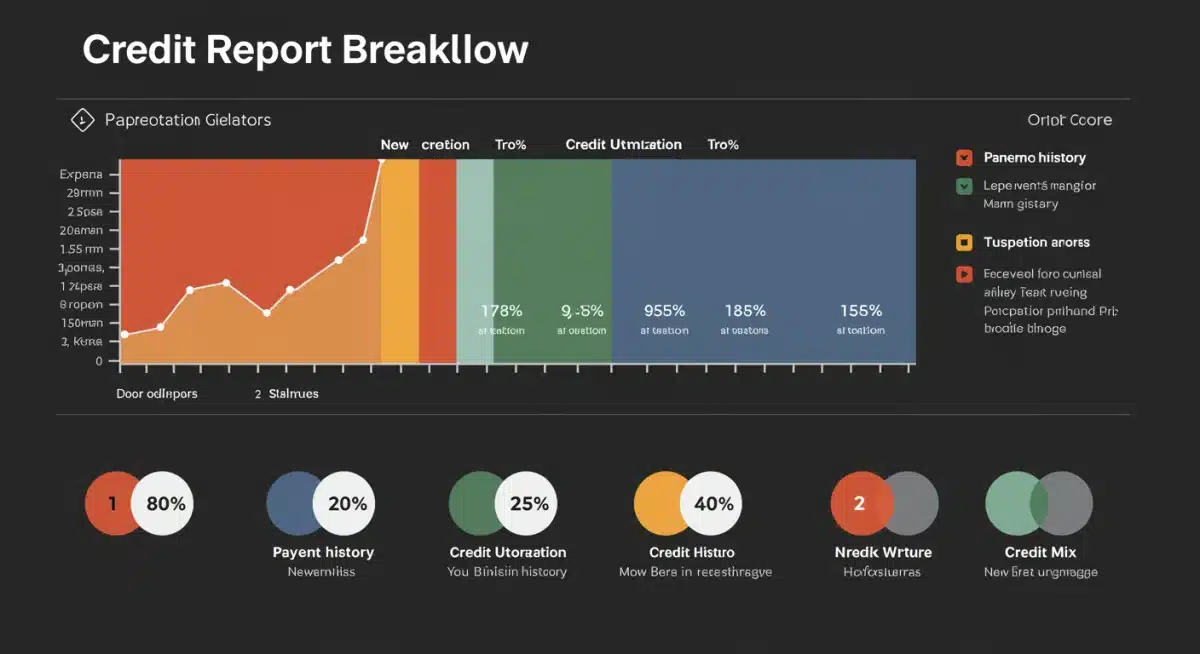
- Payment History: This is the most significant factor, accounting for approximately 35% of your FICO score. Late payments, defaults, and bankruptcies can severely damage your score.
- Credit Utilization: This refers to the amount of credit you are using versus the amount available to you. Keeping this ratio below 30% is generally recommended for optimal scores.
- Length of Credit History: A longer credit history typically indicates more financial stability and experience, positively impacting your score.
- New Credit: Opening multiple new credit accounts in a short period can signal risk to lenders, potentially lowering your score.
- Credit Mix: Having a healthy mix of different types of credit (e.g., installment loans, revolving credit) can demonstrate responsible credit management.
By dissecting your credit report and understanding these key components, you gain clarity on where your credit stands and what specific actions you need to take. This detailed understanding empowers you to target your efforts effectively for maximum impact within the six-month timeframe.
Tip 1: Prioritize On-Time Payments Relentlessly
The single most impactful action you can take for credit score maximization is ensuring all your payments are made on time, every time. Payment history constitutes the largest portion of your credit score, making it the bedrock of credit improvement. A single late payment can significantly drop your score, and its negative effects can linger for years.
To avoid missing payment due dates, implement robust organizational strategies. Setting up automatic payments for all your bills, including credit cards, loans, and utilities, is a highly effective method. Most financial institutions offer this feature, allowing you to schedule payments to be deducted from your bank account automatically. This eliminates the risk of forgetting a payment and incurring late fees or credit score damage.
Leveraging Technology for Payment Reminders
Beyond automatic payments, utilize modern technology to create multiple layers of reminders. Calendar alerts on your smartphone or computer can be invaluable. Consider using budgeting apps that integrate bill tracking and send notifications a few days before due dates. These tools act as a safety net, ensuring you have ample time to verify funds and process payments.
Even if you only make the minimum payment, doing so on time is crucial. While paying more than the minimum is always advisable to reduce debt faster and save on interest, timely minimum payments protect your credit score from immediate damage. Consistency and discipline in this area will yield significant positive results for your credit profile over the next six months.
Tip 2: Strategically Reduce Credit Utilization Ratio
Your credit utilization ratio, the amount of revolving credit you’re using compared to your total available revolving credit, is another critical factor in credit score maximization. Lenders view a high utilization ratio as a sign of financial distress, which can negatively impact your score. Aim to keep this ratio below 30%, though ideally, closer to 10% for the best results.
To lower your credit utilization, focus on paying down your credit card balances. If possible, target cards with the highest balances first, or those with the highest interest rates, to make your payments more efficient. Even small, consistent payments above the minimum can make a difference over six months. Consider making multiple smaller payments throughout the month rather than one large payment at the end. This can help keep your reported utilization lower, as credit card companies typically report your balance to the credit bureaus once a month.
Increasing Available Credit Responsibly
- Request a Credit Limit Increase: If you have a good payment history with a particular card issuer, consider requesting a credit limit increase. This can lower your utilization ratio without paying down debt, but only if you don’t increase your spending.
- Avoid Closing Old Accounts: Closing old credit card accounts, especially those with no balance, can reduce your total available credit, inadvertently increasing your utilization ratio and shortening your credit history.
- Consolidate Debt Wisely: If you have multiple high-interest credit card debts, a balance transfer card or a personal loan might help consolidate them at a lower interest rate, making it easier to pay them down. However, evaluate the fees and impact on your credit report carefully.
Reducing your credit utilization is one of the quickest ways to see a positive change in your credit score. By actively managing your balances and available credit, you demonstrate responsible financial behavior, which is highly valued by credit scoring models.
Tip 3: Avoid New Credit Applications and Hard Inquiries
When striving for rapid credit score maximization, it is crucial to temporarily halt new credit applications. Each time you apply for new credit, such as a credit card or a loan, a ‘hard inquiry’ is placed on your credit report. While a single hard inquiry typically has a minor effect, multiple inquiries in a short period can signal to lenders that you might be a higher risk, potentially lowering your score by a few points.
These inquiries remain on your credit report for two years, though their impact lessens over time. During your six-month credit building sprint, avoiding new credit applications helps to prevent these small but cumulative score deductions. Focus instead on optimizing your existing credit accounts and demonstrating consistent, responsible financial behavior.
Understanding Hard vs. Soft Inquiries
It is important to distinguish between hard and soft inquiries. Soft inquiries, which occur when you check your own credit score or when lenders pre-approve you for offers, do not affect your credit score. Only hard inquiries, initiated when you formally apply for credit, have an impact. Therefore, regularly checking your own credit report is a safe and encouraged practice.
Resist the temptation to open new store credit cards for small discounts or sign up for multiple credit offers. Every application counts. By maintaining a stable credit profile without new inquiries, you allow your existing positive financial habits to shine through and contribute positively to your score.
Tip 4: Diversify Your Credit Mix Over Time
While avoiding new credit applications in the short term, a diversified credit mix is beneficial for long-term credit score maximization. Credit scoring models consider the types of credit accounts you have, favoring a mix of revolving credit (like credit cards) and installment loans (like mortgages, auto loans, or student loans). This demonstrates your ability to manage different forms of debt responsibly.
However, this tip needs to be approached with caution, especially within a six-month timeframe. Do not open new accounts solely for the purpose of diversification if you do not genuinely need them. The negative impact of a new hard inquiry and potentially increased debt could outweigh the benefits of diversification in the short term. Instead, assess your existing credit portfolio.
Building a Healthy Credit Portfolio
- Existing Installment Loans: If you already have an auto loan or student loan, continue making timely payments. These contribute positively to your credit mix.
- Secured Credit Cards: If you have limited credit history, a secured credit card can be a good starting point to introduce revolving credit to your profile, but it’s a new account.
- Credit-Builder Loans: These specialized loans are designed to help individuals build credit without requiring collateral. The loan amount is held in a savings account while you make payments, and once paid off, you receive the funds.
For those starting with a very thin credit file, strategically adding one type of credit, like a secured card or a credit-builder loan, could be beneficial. However, for most individuals aiming for a 750+ score, the focus should be on optimizing existing accounts and letting the diverse credit mix naturally evolve as you take on necessary loans over time, rather than actively seeking new ones within the immediate six-month window.
Tip 5: Monitor Your Credit Report for Errors and Fraud
Vigilance is a key component of effective credit score maximization. Regularly monitoring your credit reports for errors, discrepancies, or signs of identity theft is crucial. Even a small mistake on your report, such as an incorrect payment date or an account you never opened, can drag down your score without your knowledge.
You are entitled to a free credit report from each of the three major credit bureaus (Experian, Equifax, and TransUnion) once every 12 months through AnnualCreditReport.com. Make it a habit to obtain and review these reports. Look for any accounts you don’t recognize, incorrect personal information, or inaccurate payment statuses. These errors are more common than one might think and can be detrimental to your credit health.
Steps to Dispute Credit Report Errors
- Gather Documentation: Collect any evidence that supports your claim, such as payment receipts or bank statements.
- Contact the Bureau: Write a dispute letter to the credit bureau, clearly stating the error and providing your supporting documents.
- Contact the Creditor: Simultaneously, contact the creditor or lender directly to inform them of the inaccuracy and request its correction.
- Follow Up: Keep detailed records of all correspondence and follow up regularly until the issue is resolved.
Identity theft is another serious threat that can severely damage your credit. Unrecognized accounts or charges on your report could indicate that someone else is using your identity. Promptly addressing these issues is vital not only for your credit score but also for your overall financial security. Early detection and swift action can prevent long-term damage and help you maintain a healthy credit profile.
Tip 6: Optimize the Age of Your Credit Accounts
The length of your credit history significantly influences your credit score, contributing to about 15% of your FICO score. A longer history with responsibly managed accounts signals stability and reliability to lenders, which aids in credit score maximization. This factor considers the age of your oldest account, the age of your newest account, and the average age of all your accounts.
To optimize this aspect within the six-month window, the primary strategy is to avoid closing old, established accounts, especially those in good standing. Even if you no longer use a particular credit card, keeping it open and active (perhaps with a small, occasional purchase that you pay off immediately) helps maintain a longer average age of accounts. Closing an old account can reduce your overall available credit and shorten your credit history, both of which can negatively impact your score.
Strategic Account Management
While you shouldn’t open new accounts unnecessarily, if you do need new credit, understand its temporary impact. A new account will lower your average account age, but its positive contribution to your credit mix and utilization can outweigh this over time, assuming responsible management. However, for a six-month sprint to 750+, stability is key.
If you have an old account with an annual fee that you no longer wish to pay, consider downgrading it to a no-annual-fee version with the same issuer, rather than closing it entirely. This keeps the account open and preserves its age in your credit history. Maintaining a long history of responsible credit use is a clear indicator of low risk to potential lenders.
Tip 7: Consider a Secured Credit Card or Credit-Builder Loan
For individuals with a limited credit history or those striving to rebuild damaged credit, a secured credit card or a credit-builder loan can be powerful tools for credit score maximization. These products are specifically designed to help establish or improve credit by demonstrating responsible payment behavior to the credit bureaus.
A secured credit card requires a cash deposit, which typically serves as your credit limit. This deposit minimizes the risk for the lender, making it easier to qualify for even with poor or no credit. By using the card responsibly and paying your balance in full and on time each month, the issuer reports your positive payment history to the credit bureaus, building your credit score over time. After a period of responsible use, many secured cards can be converted into unsecured cards, and your deposit is returned.
Benefits of Credit-Builder Loans
- No Upfront Collateral: Unlike secured cards, credit-builder loans do not require a large upfront deposit. Instead, the loan amount is typically held in a savings account by the lender.
- Regular Payments: You make fixed monthly payments on the loan, which are reported to the credit bureaus. Once the loan is fully paid, you receive access to the funds.
- Demonstrates Installment Credit: These loans help diversify your credit mix by introducing an installment loan to your credit profile, which is viewed favorably by scoring models.
Both options require discipline and consistent on-time payments, but they provide a structured pathway to build a positive credit history within a relatively short period. For those aiming to reach a 750+ score within six months and who currently lack sufficient credit history, strategically utilizing one of these tools can provide the necessary boost.
| Key Strategy | Brief Description |
|---|---|
| On-Time Payments | Consistently pay all bills before their due dates to build a strong payment history. |
| Reduce Utilization | Keep credit card balances low, ideally under 30% of your available credit. |
| Avoid New Credit | Limit new credit applications to prevent excessive hard inquiries on your report. |
| Monitor Credit | Regularly check credit reports for errors and fraud, disputing discrepancies immediately. |
Frequently Asked Questions About Credit Score Maximization
In 2026, a credit score above 750 is generally considered excellent. It unlocks the best interest rates on loans, favorable terms on credit cards, and often simplifies approval processes for various financial products, including mortgages and auto loans.
Significant credit score improvement, like reaching 750+, is achievable within 6 months if you consistently apply strategies such as making on-time payments, reducing credit utilization, and correcting report errors. Rapid changes are possible with focused effort.
Yes, closing old credit cards can negatively impact your score. It reduces your total available credit, which can increase your credit utilization ratio, and shortens your credit history, both of which are key factors in credit score calculation.
Credit-builder loans are highly effective, especially for those with limited or poor credit history. They allow you to demonstrate consistent payment behavior for an installment loan, which is reported to credit bureaus and helps diversify your credit mix, positively impacting your score.
You should check your credit report from each of the three major bureaus at least once every 12 months, utilizing your free annual entitlement. This helps you identify and dispute errors or fraudulent activity promptly, safeguarding your credit health.
Conclusion
Achieving a credit score above 750 within six months is an ambitious but entirely attainable goal with diligent effort and strategic planning. The journey of Credit Score Maximization in 2026: 7 Expert Tips to Reach a Score Above 750 Within 6 Months hinges on consistent on-time payments, judicious management of credit utilization, and careful monitoring of your credit report. By embracing these expert tips, you are not just improving a number; you are actively building a stronger financial foundation that will open doors to better opportunities and greater financial freedom for years to come. Start today, stay disciplined, and watch your credit score transform.