Infrastructure Bill Updates: Reshaping U.S. Transportation for 5 Years
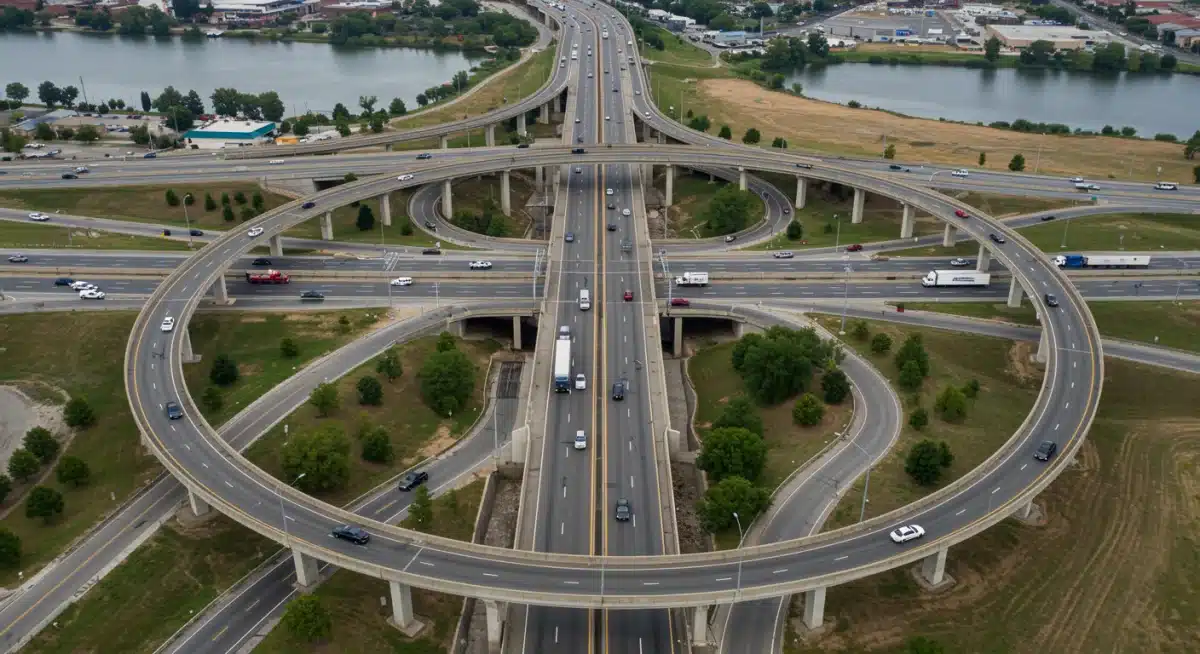
The latest major infrastructure bill updates will significantly reshape U.S. transportation projects over the next five years, allocating substantial federal funding to modernize roads, bridges, and public transit systems across the nation, fostering economic growth and enhancing connectivity.
The United States stands at a pivotal moment for its transportation networks. An alert: major infrastructure bill updates are set to redefine how Americans travel and goods are moved across the nation over the next five years. This comprehensive legislation promises a transformative influx of federal investment, targeting everything from decaying bridges to outdated public transit systems, and aims to usher in a new era of efficiency and sustainability.
Understanding the Scope of the Infrastructure Bill
The recently passed infrastructure bill represents one of the most substantial federal investments in American infrastructure in decades. Its scope is broad, touching nearly every facet of the nation’s transportation system. This isn’t merely about filling potholes; it’s a strategic overhaul designed to address long-standing deficiencies, foster economic competitiveness, and prepare the country for future challenges.
The legislation allocates hundreds of billions of dollars towards a diverse array of projects, recognizing that a robust transportation network is fundamental to the nation’s economic health and social well-being. These funds are earmarked for critical upgrades that will impact daily commutes, supply chains, and the overall quality of life for millions of Americans.
Key Funding Areas
The bill delineates specific areas where funding will be concentrated, ensuring a targeted approach to modernization:
- Roads and Bridges: A significant portion is dedicated to repairing and rebuilding America’s aging roads and bridges, many of which are in disrepair and pose safety risks.
- Public Transit: Investments aim to expand and improve public transportation options, making them more accessible, reliable, and environmentally friendly.
- Passenger and Freight Rail: Funds will enhance rail systems, boosting capacity, safety, and efficiency for both passengers and goods.
- Ports and Waterways: Modernizing ports and inland waterways is crucial for supply chain resilience and international trade.
This widespread investment signals a commitment to not only fix what is broken but also to innovate and build for the future. The comprehensive nature of the bill means that its effects will be felt in every state and countless communities, driving job creation and stimulating local economies.
Impact on Road and Bridge Projects Nationwide
The state of America’s roads and bridges has been a pressing concern for decades. Many structures are beyond their intended lifespan, leading to congestion, safety hazards, and increased maintenance costs for vehicles. The new infrastructure bill directly confronts these challenges, providing unprecedented funding to revitalize these essential components of the transportation network.
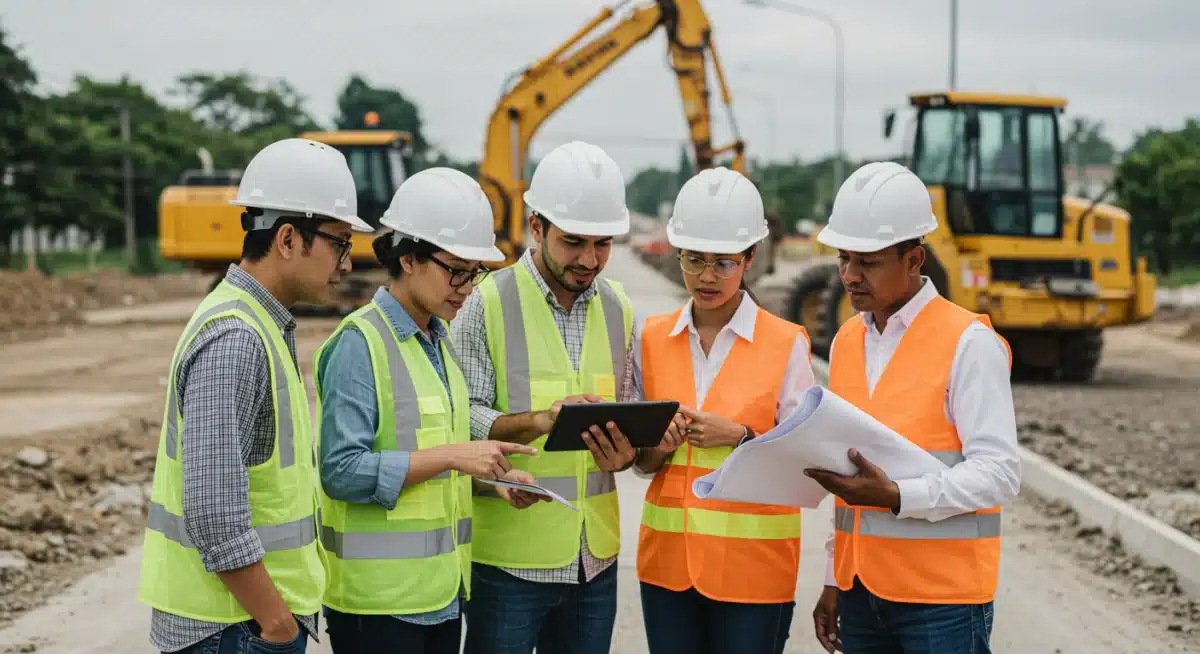
States and local governments will receive substantial allocations to undertake a wide range of projects, from routine resurfacing to the complete reconstruction of major arteries. This includes addressing the backlog of structurally deficient bridges, a critical priority that impacts both safety and economic flow.
Prioritizing Repairs and New Construction
The legislation emphasizes a data-driven approach to prioritize projects, focusing on areas with the greatest need and potential impact. This ensures that funds are utilized efficiently to yield the most significant benefits for commuters and commerce.
- Structural Integrity: Repairs to bridges deemed structurally deficient or functionally obsolete are at the forefront, aiming to prevent catastrophic failures and improve safety.
- Congestion Relief: Projects designed to widen highways, improve intersections, and create new bypasses will help alleviate traffic bottlenecks in urban and suburban areas.
- Rural Connectivity: Investments will also target rural roads, ensuring that communities in less populated areas have reliable access to essential services and markets.
Beyond immediate repairs, the bill also supports the development of new infrastructure, including innovative materials and construction techniques. This forward-thinking approach ensures that the investments made today will serve the nation well into the future, creating resilient and sustainable transportation pathways. The ripple effect of these projects will extend to various industries, from construction and engineering to materials suppliers.
Transforming Public Transit and Rail Systems
Public transportation is a cornerstone of urban mobility, offering an alternative to car dependency and reducing carbon emissions. The infrastructure bill recognizes this vital role by dedicating significant resources to modernize and expand public transit and rail systems across the U.S. This investment aims to make public transport more attractive, efficient, and accessible for a broader segment of the population.
For cities grappling with growing populations and persistent traffic, enhanced public transit options offer a viable solution. The bill provides funding for new bus routes, light rail expansions, and crucial upgrades to existing subway and commuter rail lines, improving daily commutes for millions.
Modernizing Urban and Intercity Connections
The focus extends beyond mere expansion to encompass technological advancements and improved passenger experience. This includes integrating smart technologies, enhancing station amenities, and improving connectivity between different modes of transport.
- Fleet Modernization: Replacing aging buses and railcars with newer, more energy-efficient models, including electric and zero-emission vehicles.
- Service Expansion: Creating new routes and extending existing lines to serve underserved communities and reduce commute times.
- Accessibility Improvements: Upgrading stations and vehicles to meet modern accessibility standards, ensuring transit is available to everyone.
Furthermore, the bill significantly bolsters Amtrak and intercity rail services, envisioning a future where high-speed rail plays a more prominent role in connecting major metropolitan areas. This investment is crucial for reducing travel times, offering a sustainable alternative to air travel, and fostering economic development along rail corridors. The emphasis on intermodal connections ensures seamless transitions for travelers using multiple forms of transport.
Digital Infrastructure and Smart Transportation Initiatives
Beyond traditional concrete and steel, the infrastructure bill also addresses the critical need for modern digital infrastructure and smart transportation solutions. The integration of technology into transportation systems is no longer a luxury but a necessity for efficiency, safety, and future adaptability. This forward-thinking aspect of the bill will lay the groundwork for intelligent transportation systems (ITS) that can optimize traffic flow, enhance safety, and support emerging technologies.
Investments in digital infrastructure include expanding broadband access, which is essential for smart city initiatives and connected vehicles. Reliable internet connectivity will enable real-time data exchange, allowing for more responsive and efficient management of transportation networks.
Leveraging Technology for Efficiency and Safety
Smart transportation initiatives encompass a broad range of technologies aimed at improving various aspects of travel. These innovations are designed to make journeys smoother, safer, and more predictable for all users.
- Traffic Management Systems: Deployment of advanced sensors, cameras, and AI-powered software to monitor and control traffic lights, reducing congestion and travel times.
- Connected and Autonomous Vehicles: Funding for research, development, and deployment of infrastructure that supports the safe integration of connected and autonomous vehicles into the existing road network.
- Public Safety Systems: Enhancements to emergency response communication and infrastructure, allowing for quicker and more effective responses to incidents on roads and transit systems.
The bill also promotes cybersecurity measures for critical transportation infrastructure, protecting against potential threats to digital systems. This proactive approach ensures the resilience and integrity of the nation’s evolving transportation network. These technological advancements are pivotal for creating a transportation system that is not only robust but also intelligent and responsive to the needs of a modern society.
Economic Implications and Job Creation
The sheer scale of investment outlined in the infrastructure bill carries profound economic implications for the United States. It is projected to be a significant driver of job creation, stimulating growth across various sectors and contributing to the nation’s overall economic recovery and prosperity. The direct creation of construction jobs is just one facet of this broader economic impact.
Beyond the immediate employment in construction, engineering, and manufacturing, the improved infrastructure itself will foster long-term economic benefits. Efficient transportation networks reduce logistical costs for businesses, making supply chains more reliable and competitive. This can attract new industries, encourage expansion of existing ones, and ultimately lead to a more robust and resilient economy.
Boosting Local Economies and Supply Chains
The impact will be felt at both national and local levels, with communities benefiting from direct investment and the multiplier effect of increased economic activity. Small businesses, in particular, stand to gain from enhanced local infrastructure and improved access to markets.
- Direct Employment: Creation of thousands of jobs in construction, engineering, and project management roles across the country.
- Indirect Employment: Growth in supporting industries such as materials manufacturing, equipment supply, and related services.
- Increased Productivity: Reduced commute times and more efficient freight movement lead to higher productivity for workers and businesses.
Moreover, the modernization of ports and waterways will strengthen global trade capabilities, while investments in broadband will help bridge the digital divide, opening up new economic opportunities in underserved areas. This holistic approach ensures that the economic benefits are widespread and sustainable, laying a foundation for future growth and innovation. The bill is designed not just to repair, but to propel the U.S. economy forward.
Challenges and Future Outlook for Projects
While the infrastructure bill presents a monumental opportunity, its implementation will undoubtedly face significant challenges. The sheer scale of the projects, coupled with existing bureaucratic hurdles, workforce shortages, and potential material costs, requires careful planning and execution. Ensuring transparency and accountability in how funds are allocated and spent will be paramount to the program’s success.
One of the primary concerns is the capacity of the construction industry to absorb such a massive influx of projects. Workforce development initiatives will be crucial to train and retain skilled labor, addressing potential shortages that could slow down progress. Additionally, navigating environmental regulations and obtaining necessary permits can be time-consuming, requiring streamlined processes.
Overcoming Obstacles and Ensuring Long-Term Success
Effective collaboration between federal, state, and local governments, alongside private sector partners, will be essential to overcome these obstacles. Developing clear guidelines and performance metrics will help track progress and ensure that projects deliver on their promised benefits.
- Workforce Development: Investing in training programs and apprenticeships to build a skilled labor force capable of executing these complex projects.
- Supply Chain Management: Proactive strategies to manage demand for materials and mitigate potential cost increases or delays.
- Regulatory Efficiency: Streamlining permitting processes without compromising environmental protections or public safety.
Despite these challenges, the long-term outlook remains overwhelmingly positive. The infrastructure bill represents a generational investment that will not only modernize the nation’s transportation systems but also enhance its economic competitiveness, improve quality of life, and lay the groundwork for sustainable growth for decades to come. The commitment to innovation and resilience embedded within the legislation provides a robust framework for adapting to future needs and technologies. The successful implementation of these projects will ultimately redefine the American landscape.
| Key Aspect | Brief Description |
|---|---|
| Funding Allocation | Hundreds of billions of dollars allocated for a wide range of transportation projects. |
| Project Focus | Roads, bridges, public transit, rail, ports, and digital infrastructure modernization. |
| Economic Impact | Expected to create thousands of jobs and boost local and national economies. |
| Challenges | Workforce shortages, supply chain issues, and regulatory complexities. |
Frequently Asked Questions About Infrastructure Bill Updates
The primary goal is to significantly modernize and improve the United States’ aging infrastructure, particularly focusing on transportation networks. This includes repairing roads and bridges, enhancing public transit, and upgrading rail systems to improve safety, efficiency, and economic competitiveness across the nation for the next five years.
Daily commuters can expect smoother, safer roads, reduced traffic congestion, and more reliable public transportation options. Investments in digital infrastructure will also lead to smarter traffic management systems, potentially shortening travel times and improving overall commuting experiences. These changes aim for tangible everyday benefits.
The infrastructure projects are expected to create a wide array of jobs, including direct employment in construction, engineering, and project management. Additionally, there will be indirect job growth in supporting industries such as materials manufacturing, equipment supply, and various service sectors, contributing broadly to economic growth.
Yes, the bill includes provisions that address climate change concerns by investing in sustainable transportation solutions. This involves funding for electric vehicle charging infrastructure, modernizing public transit with greener fleets, and building more resilient infrastructure to withstand extreme weather events. The goal is to enhance environmental sustainability.
While some projects are already underway, the major effects of these infrastructure investments will become increasingly visible over the next five years. Large-scale projects require extensive planning and execution, so significant improvements in roads, bridges, and public transit are anticipated to unfold progressively throughout this period.
Conclusion
The comprehensive alert: major infrastructure bill updates represent a landmark commitment to modernizing the United States’ transportation landscape. Over the next five years, this legislation will channel unprecedented resources into repairing, rebuilding, and innovating the nation’s roads, bridges, public transit, and digital infrastructure. While challenges in implementation are inevitable, the long-term benefits in terms of economic growth, job creation, enhanced safety, and improved quality of life promise to reshape America for generations. This strategic investment is not merely about fixing what’s broken, but about building a more resilient, efficient, and sustainable future for all Americans.